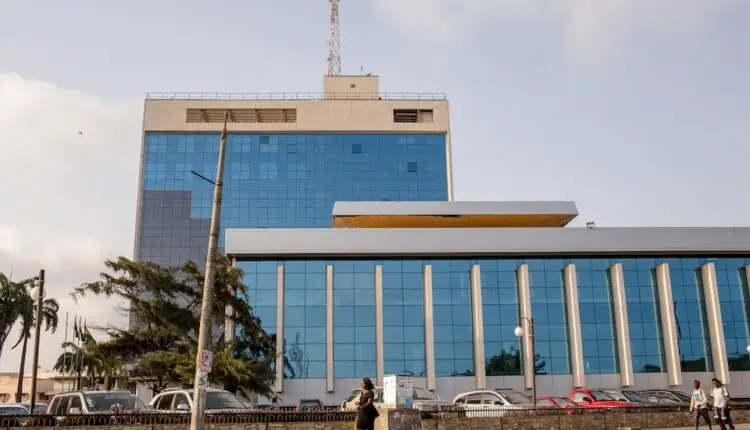
In a decisive move aimed at supporting economic recovery, the Bank of Ghana slashed its benchmark interest rate by 200 basis points to 27%, marking the first rate cut since January. The central bank’s decision reflects confidence in the country’s ongoing disinflation process and improving macroeconomic conditions. Bank of Ghana Governor Ernest Addison, addressing a news conference, emphasized that the rate cut signals a positive outlook for the Ghanaian economy, as inflation continues to ease, and economic growth gains momentum.
Easing Inflation and Macroeconomic Recovery
Governor Addison pointed to key economic indicators, such as inflation, reserves, and growth, as evidence that Ghana’s economy is on the path to recovery. The country’s inflation rate, which has been one of the highest in sub-Saharan Africa, showed signs of easing. In August, consumer inflation slowed to 20.4% year-on-year, down from 20.9% in July. Though inflation remains well above the central bank’s medium-term target of 8% (with a margin of error of two percentage points), the downward trend is a positive signal for policymakers.
Ghana has experienced significant economic challenges over the past few years, driven by external shocks such as the COVID-19 pandemic, disruptions in global supply chains, and volatility in commodity prices, especially gold, oil, and cocoa—key sectors of the Ghanaian economy. Despite these challenges, the economy has shown resilience, with growth recovering strongly. In the second quarter of 2024, the economy expanded by 6.9% year-on-year, the fastest pace in five years, fueled by a rebound in key sectors including agriculture, mining, and manufacturing.
Addison noted that the disinflation process is on course and is expected to continue as price rises ease toward the central bank’s target range of 13% to 17% by the end of the year. The rate cut, he explained, is intended to support this recovery while keeping inflationary pressures in check.
“This strong signaling of the monetary policy rate by reducing it by 200 basis points tells you that the central bank is quite satisfied with the progress of recovery in the economy,” Addison said. He added that the decision aligns with the broader trend of policy easing by central banks in advanced economies, where inflation has also been declining.
Policy Outlook and Market Reactions
The Bank of Ghana’s rate cut was widely anticipated by market analysts. In July, economists polled by Reuters had predicted that the central bank would lower the interest rate by 200 basis points before the end of the year. The decision reflects growing confidence that Ghana’s inflation has peaked and will continue to trend downward.
Leslie Dwinght-Mensah, an economist and research fellow at Accra-based Institute for Fiscal Studies, praised the move, calling it a logical step given the recent improvements in inflation and overall economic activity. “This easing of policy is understandable, given that the recent falls in inflation had caused real interest rates to rise, something that this cut will partially reverse,” he said.
The rate cut was also welcomed by Razia Khan, chief economist for Africa and the Middle East at Standard Chartered. Khan noted that the Bank of Ghana is likely to continue easing monetary policy in the coming months, provided inflation continues to decline and fiscal policy remains on track. “This is unlikely therefore to pose a hurdle to November easing, should inflation continue to be well-behaved,” Khan stated.
The central bank’s move comes as Ghana continues its efforts to restructure its debt. The country invited holders of roughly $13 billion of its international bonds to swap their holdings for new instruments, following a preliminary debt restructuring agreement with two bondholder groups. Bondholders have until September 30 to accept the offer, which is part of a broader strategy to stabilize the economy and restore investor confidence.
Challenges in the Fiscal Arena
While the central bank’s decision to cut rates underscores optimism about the inflation outlook, challenges remain on the fiscal front. Ghana’s public finances have been under strain due to high debt levels and persistent budget deficits. As the country emerges from its worst economic crisis in a generation, the government faces pressure to balance the need for fiscal consolidation with efforts to boost growth and investment.
In recent months, Ghana has made significant strides in addressing its fiscal challenges, including implementing a domestic debt restructuring program and engaging in negotiations with international creditors. These measures are expected to provide some relief to the government’s finances, though much work remains to be done to achieve long-term fiscal sustainability.
According to Budget Minister Ken Ofori-Atta, the government’s fiscal consolidation efforts are beginning to bear fruit. The fiscal deficit has narrowed in recent months, and the government remains committed to reducing the deficit further in the coming years. However, Ofori-Atta acknowledged that Ghana’s public debt remains high, and the country will need to continue its efforts to restructure its debt and attract investment.
Gold Coin Initiative and Economic Diversification
As part of its broader economic strategy, the Bank of Ghana announced plans to launch a gold coin sale, aimed at attracting more liquidity and offering investors a new instrument in financial markets. The initiative is part of Ghana’s efforts to leverage its status as one of Africa’s leading gold producers to enhance its financial markets and boost investor confidence.
Governor Addison said the gold coin would be available for purchase through commercial banks, with the launch expected to take place in two weeks. The move is seen as an effort to diversify Ghana’s financial instruments and provide a safe haven for investors seeking stability amid global economic uncertainty.
The launch of the gold coin is also in line with Ghana’s broader strategy to diversify its economy and reduce reliance on traditional exports like cocoa and oil. In recent years, the government has made efforts to develop other sectors, including manufacturing, services, and technology, to create jobs and drive sustainable economic growth.
Global and Regional Impacts
Ghana’s decision to ease monetary policy comes at a time when central banks in advanced economies are also beginning to loosen their policy stances amid declining inflation. In the United States, the Federal Reserve has signaled that it may pause its interest rate hikes as inflation cools, while the European Central Bank has also indicated that it may adopt a more accommodative stance in the coming months.
These global trends have significant implications for emerging markets like Ghana, which are highly sensitive to external economic conditions. A shift toward looser monetary policy in advanced economies could provide some relief to emerging markets by easing capital outflows and reducing pressure on their currencies. For Ghana, the easing of monetary policy by the Bank of Ghana is expected to support economic recovery and help the country navigate the challenges posed by global economic uncertainty.
In the West African region, Ghana’s monetary policy decisions are closely watched by neighboring countries, as they often signal broader regional trends. Ghana’s success in managing inflation and stabilizing its economy could serve as a model for other countries in the region facing similar challenges.
Looking Ahead
The Bank of Ghana’s decision to cut interest rates marks a significant step in the country’s ongoing economic recovery. With inflation easing, growth rebounding, and fiscal consolidation efforts underway, Ghana appears to be on a path toward stability and sustainable growth. However, challenges remain, particularly in the fiscal arena, and the government will need to continue its efforts to manage public debt and attract investment.
The launch of the gold coin and ongoing efforts to diversify the economy are positive signs that Ghana is taking steps to build a more resilient and diversified economy. As the country navigates the challenges of global economic uncertainty, the Bank of Ghana’s proactive approach to monetary policy will play a crucial role in supporting recovery and maintaining stability.
Ghana’s central bank will continue to monitor economic developments closely in the coming months, with further rate cuts possible if inflation continues to decline and economic growth remains robust. The coming months will be critical for Ghana as it seeks to solidify its recovery and chart a path toward long-term economic stability.
photo source: Google
By: Montel Kamau
Serrari Financial Analyst
30th September, 2024