The global digital creative economy is poised to experience remarkable growth, reaching a staggering valuation of AED 27 trillion (approximately $7.35 trillion) by 2030. This prediction, highlighted in a recent white paper published by Dubai Design District (d3) and Dubai Media City, underscores the economic potential of creative industries powered by disruptive technologies such as artificial intelligence (AI), Web3, and virtual reality (VR).
Developed in collaboration with Monstarlab, a global digital consultancy, the “Digital Creative Economy 2024” white paper offers a comprehensive outlook on the future of the global digital creative economy. Drawing from surveys of 400 professionals within the design and media sectors and input from over 20 industry leaders, the report identifies growth opportunities, challenges, and the UAE’s pivotal role in shaping this dynamic sector.
Key Findings and Projections
According to the report, the digital creative economy is expected to expand at a compound annual growth rate (CAGR) of 11% from 2024 to 2030. The AED27 trillion projection is based on an innovative market-sizing model developed by Monstarlab. This model integrates the average combined size of the global design and media markets, as well as verticals such as books, audiovisual media, culture and heritage, visual arts, fashion, and product design. The rapid integration of AI and emerging technologies is reshaping these sectors, allowing businesses and creatives alike to harness unprecedented capabilities in production, distribution, and monetization.
Dubai’s Role as a Global Creative Hub
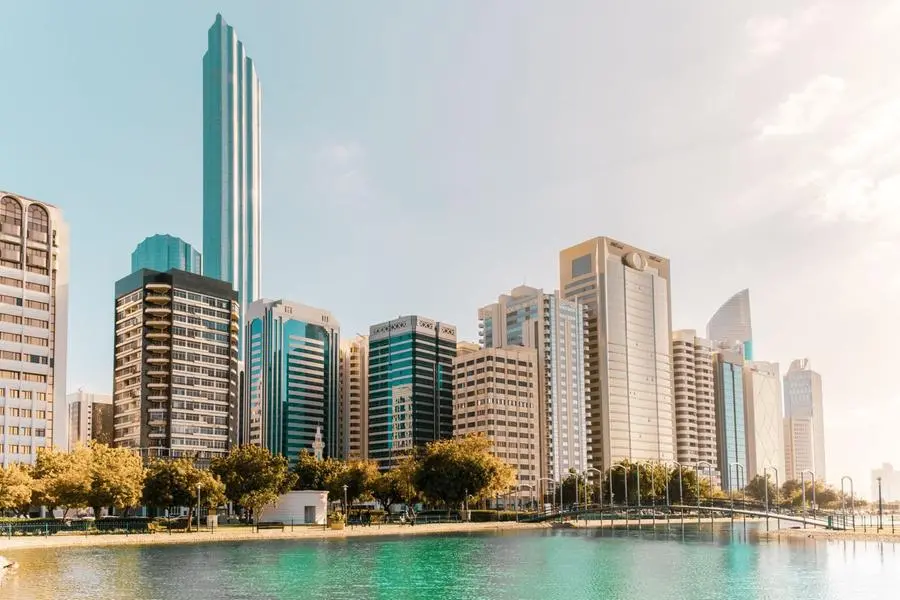
The white paper’s release is timely, coinciding with Dubai’s growing influence as the “global capital of the creative economy.” Dubai ranked first in the Foreign Direct Investment (FDI) Index for project inflows and job creation in the cultural and creative industries in 2023, according to the fDi Markets report by the Financial Times. Dubai’s efforts to lead the global creative economy are driven by initiatives such as the Dubai Creative Economy Strategy, which aims to boost the creative industries’ contribution to the city’s GDP to 5% by 2025.
“AI, Web3, and virtual reality are swiftly pushing the horizon of what’s possible for the future of media,” said Majed Al Suwaidi, Senior Vice President of Dubai Media City. “This tech-driven landscape demands a deep, holistic understanding of the implications of these new tools. Strategic support through programs like Dubai’s Economic Agenda ‘D33’ or Dubai Media’s vision to champion homegrown content creation is crucial for nurturing innovation-led creativity.”
Suwaidi emphasized that the convergence of technology with media and design is transforming how content is produced, distributed, and consumed, making it imperative for the next generation of talent to be equipped with the skills to navigate this new terrain.
The Power of Emerging Technologies
Generative AI, in particular, is playing a central role in shaping the future of the global creative economy. From automating repetitive tasks to optimizing creative workflows and introducing new possibilities for content generation, AI is revolutionizing how industries approach their work. More than 42% of design professionals and 46% of media professionals surveyed for the white paper acknowledged that AI will significantly impact their respective fields in the coming years.
The integration of AI into creative processes is not limited to automation but extends to enhancing creativity itself. In design, AI-powered tools are enabling rapid prototyping, allowing designers to experiment with new concepts and ideas faster than ever before. In media, AI is being used to personalize content, making it more relevant to individual audiences and increasing engagement.
AI’s influence extends to commercial applications as well. The white paper notes that generative AI is helping businesses in the creative economy become more customer-centric by enabling them to create personalized experiences at scale. As a result, brands and agencies are able to tailor their messaging and content more effectively, leading to better outcomes for both businesses and consumers.
The Rise of the Creator Economy
The advent of AI is also fueling the growth of the “creator economy” — a new business model that allows individuals to monetize their creative content directly. Platforms like YouTube, TikTok, and Instagram have already demonstrated the potential of the creator economy, enabling influencers and content creators to build personal brands and generate income through sponsorships, ad revenue, and merchandise sales.
According to the white paper, the creator economy is expected to grow exponentially as AI tools make it easier for individuals to produce and distribute high-quality content. This democratization of creativity is lowering the barriers to entry for aspiring artists, designers, and content creators, allowing more people to participate in the digital creative economy.
“AI is enabling creators to focus more on the creative aspects of their work by taking care of the technical details,” said Khadija Al Bastaki, Senior Vice President of Dubai Design District. “As a result, we’re seeing a new breed of creative innovators who are using technology to push the boundaries of what’s possible.”
UAE’s Strategic Focus on the Creative Sector
The UAE’s contribution to the global digital creative economy is significant, with the country being recognized as the fastest mover within the GCC region in terms of growing and digitizing its creative industries. The government has taken a proactive approach to nurturing the creative sector by implementing pro-business policies, developing world-class infrastructure, and creating a diverse and multicultural environment that fosters creativity.
The Dubai Creative Economy Strategy, which was launched in 2021, is one of the key initiatives aimed at positioning the city as a global hub for creative industries. The strategy outlines a roadmap for increasing the number of creative companies in Dubai, attracting international talent, and promoting local content creation. By 2025, the strategy aims to double the number of creative businesses in the city and increase the contribution of the creative industries to the UAE’s GDP.
The UAE’s focus on the creative economy is also aligned with its broader vision to diversify the economy and reduce its dependence on oil revenues. The country’s leadership recognizes the importance of creativity and innovation in driving economic growth and is committed to creating an environment where the creative sector can thrive.
Challenges and Opportunities
While the future of the global digital creative economy looks promising, there are several challenges that need to be addressed. One of the key challenges identified in the white paper is the need for upskilling and reskilling the workforce to meet the demands of the rapidly evolving digital landscape. The pace of technological change is outstripping the ability of many professionals to keep up, and there is a growing need for training programs that equip individuals with the skills needed to succeed in the digital creative economy.
Another challenge is the need for greater collaboration between the public and private sectors. The white paper highlights the importance of partnerships between governments, businesses, and educational institutions in fostering innovation and driving growth in the creative economy. By working together, these stakeholders can create an ecosystem that supports creative talent and encourages the development of new ideas and business models.
Despite these challenges, the white paper concludes that the opportunities in the global digital creative economy far outweigh the risks. With the right strategic support and investment, the creative sector has the potential to become a major driver of economic growth in the coming years.
Conclusion
As the global digital creative economy continues to evolve, the role of emerging technologies like AI, Web3, and VR will only become more prominent. Dubai, with its forward-thinking policies and commitment to innovation, is well-positioned to lead the charge in this new era of creativity. The findings of the “Digital Creative Economy 2024” white paper offer a roadmap for businesses, governments, and creative professionals to navigate the opportunities and challenges that lie ahead.
With a projected market size of AED27 trillion by 2030, the global digital creative economy is set to become a cornerstone of economic growth, and the UAE is playing a pivotal role in shaping its future. As new technologies continue to transform the creative industries, the next decade promises to be an exciting time for content creators, designers, and media professionals around the world.
photo source: Google
By: Montel Kamau
Serrari Financial Analyst
27th September, 2024