
Kenya’s new finance minister, John Mbadi, has announced the reintroduction of several controversial tax proposals that had previously sparked widespread and deadly protests across the nation. These proposals, initially withdrawn after intense public backlash, are set to return through a tax amendment bill as the government grapples with the daunting challenge of raising revenue to service its escalating debt obligations to international lenders, including the World Bank, the International Monetary Fund (IMF), and China.
The Background of Kenya’s Economic Dilemma
Kenya’s financial challenges have been mounting over the years, largely due to the government’s extensive borrowing to fund infrastructure projects and other development initiatives. While these investments have stimulated economic growth, they have also resulted in a burgeoning national debt, which, according to the Central Bank of Kenya, stood at KSh 9.4 trillion ($63.9 billion) as of June 2024. This debt represents about 70% of the country’s Gross Domestic Product (GDP), placing immense pressure on the government to find sustainable ways to meet its repayment obligations.
The debt crisis has been exacerbated by the COVID-19 pandemic, which severely disrupted economic activities and reduced government revenue. The situation has been further complicated by rising global interest rates, making it more expensive for Kenya to service its foreign debt. Consequently, the government has been forced to explore new revenue streams, leading to the introduction of controversial tax proposals that have sparked significant public outcry.
The Reintroduction of Controversial Tax Measures
John Mbadi, who was appointed as finance minister in a cabinet reshuffle following the resignation of his predecessor due to public pressure, has indicated that the government will push forward with some of the tax proposals that had been shelved earlier this year. These include taxes on goods deemed not environmentally friendly, such as plastic products, which critics argue will increase the cost of essential items like sanitary towels and diapers.
“This country is not a dumping place,” Mbadi asserted during a television interview, defending the reintroduction of the tax measures as necessary for protecting the environment and raising much-needed revenue.
However, the proposed tax measures have reignited fears of escalating living costs, especially among low-income households already struggling with the high cost of living. The youth-led protest movement, which had been at the forefront of the demonstrations against the original finance bill, has vowed to continue its resistance, with plans for renewed protests in major cities across the country.
The Human Cost of Protests
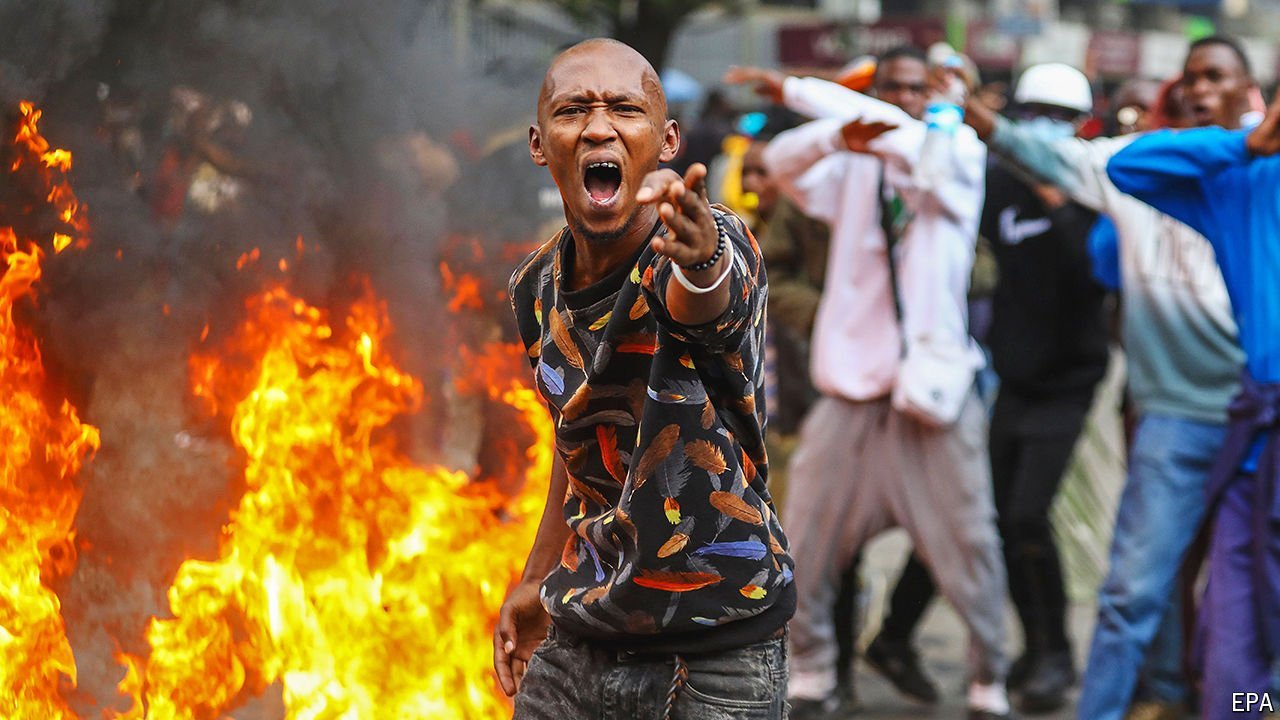
The initial introduction of these tax proposals earlier this year led to weeks of intense protests, particularly in urban areas where the cost of living crisis is most acutely felt. The demonstrations, which began in mid-June, were marked by violent clashes between protesters and security forces, resulting in the deaths of more than 50 people, according to the Kenya National Commission on Human Rights (KNCHR). The protests also saw extensive property damage and disruptions to business activities, further straining the economy.
Accusations of police brutality have been rampant, with human rights organizations condemning the excessive use of force by law enforcement officers. The government, however, has defended the police’s actions, arguing that they were necessary to maintain order and protect public property.
Political Fallout and Public Sentiment
The reintroduction of the tax proposals has sparked fresh criticism from opposition leaders and civil society groups, who accuse the government of ignoring the plight of ordinary Kenyans. Robert Mbui, an opposition lawmaker, expressed his dismay at the finance minister’s announcement, calling it a “mistake” and accusing Mbadi of “double speak” after the minister had previously assured the public that there were no plans to increase taxes.
The opposition has also seized on the issue to call for the resignation of President William Ruto, who has been under intense pressure since taking office. Ruto, however, has dismissed these calls, stating that his administration is focused on finding solutions to the country’s economic challenges and that resigning would be an abdication of his responsibilities.
President Ruto’s administration has defended the reintroduction of the tax proposals, arguing that they are necessary to address the country’s fiscal deficit and ensure the government can continue to meet its debt obligations. The IMF, which has been closely monitoring Kenya’s economic situation, has also weighed in, suggesting that the controversial tax measures are part of a broader package of economic reforms needed to stabilize the economy.
“We are confident that we will be able to find a balanced path forward,” the IMF said in a statement following the withdrawal of the original finance bill, indicating its support for the government’s efforts to address the fiscal crisis.
The Broader Economic Context
Kenya’s economic challenges are not unique. Across Africa, many countries are grappling with similar issues as they seek to balance the need for economic growth with the pressures of rising debt levels. The continent’s debt crisis has been a topic of concern for international financial institutions, with calls for more sustainable borrowing practices and better debt management strategies.
In Kenya’s case, the government’s borrowing has largely been driven by ambitious infrastructure projects, such as the Standard Gauge Railway (SGR), which has been financed through loans from China. While these projects have the potential to boost economic growth in the long term, they have also contributed to the country’s high debt levels.
The reintroduction of the tax proposals comes at a time when the government is under increasing pressure to demonstrate fiscal responsibility. The international community, particularly Kenya’s lenders, is closely watching how the government manages its finances. Failure to implement the necessary reforms could lead to a loss of confidence among investors and further exacerbate the country’s economic challenges.
Public Response and Potential Outcomes
The public response to the reintroduced tax proposals is likely to be a litmus test for the Ruto administration’s ability to navigate Kenya’s economic challenges. If the government is able to effectively communicate the necessity of these measures and gain public support, it could pave the way for more comprehensive economic reforms. However, if the proposals are met with renewed protests and resistance, it could further destabilize the country and undermine the government’s efforts to stabilize the economy.
The youth-led protest movement, which has been a significant force in opposing the government’s tax proposals, has already indicated that it will continue its demonstrations. This movement has been fueled by widespread frustration with the government’s handling of the economy and the perception that the tax measures will disproportionately affect the poor and vulnerable.
The potential for further unrest poses a significant risk to Kenya’s economic stability. Prolonged protests could disrupt business activities, deter investment, and strain the government’s resources. In such a scenario, the government may be forced to make concessions or abandon the tax proposals altogether, which would further complicate efforts to address the fiscal deficit.
The Role of International Lenders
Kenya’s reliance on international lenders such as the IMF, World Bank, and China has been a double-edged sword. While these institutions have provided the necessary funds to finance development projects, they have also imposed conditions that require the government to implement strict economic reforms. The IMF, in particular, has been vocal about the need for Kenya to increase its revenue base and reduce its reliance on external borrowing.
The reintroduction of the tax proposals is likely to be viewed favorably by international lenders, as it demonstrates the government’s commitment to addressing the fiscal deficit. However, the success of these measures will depend on the government’s ability to implement them in a way that does not exacerbate the existing economic challenges or provoke further public unrest.
China, as one of Kenya’s largest creditors, also has a vested interest in the country’s economic stability. The Chinese government has been closely monitoring Kenya’s debt situation and has expressed concerns about the country’s ability to meet its repayment obligations. In recent years, China has been more cautious in its lending practices, and there are indications that it may be less willing to extend further loans to Kenya unless the government can demonstrate fiscal responsibility.
Conclusion: A Precarious Balancing Act
Kenya’s decision to reintroduce controversial tax proposals is a reflection of the difficult choices facing the government as it seeks to address the country’s economic challenges. With a growing fiscal deficit, rising debt levels, and mounting public discontent, the Ruto administration finds itself in a precarious position.
The success of the reintroduced tax proposals will depend on a delicate balancing act. On the one hand, the government must demonstrate fiscal responsibility and implement the necessary reforms to stabilize the economy. On the other hand, it must also navigate the complex political and social dynamics that have fueled public resistance to these measures.
The coming weeks and months will be crucial in determining the outcome of this balancing act. If the government can effectively communicate the necessity of the tax measures and gain public support, it may be able to implement the reforms needed to address the fiscal deficit and stabilize the economy. However, if the proposals are met with renewed protests and resistance, it could further destabilize the country and undermine the government’s efforts to navigate Kenya’s economic challenges.
As Kenya faces these challenges, the international community will be closely watching how the Ruto administration responds. The decisions made in the coming months will have significant implications not only for Kenya’s economic future but also for its social and political stability. The reintroduction of the tax proposals is just the beginning of what is likely to be a long and difficult journey for Kenya as it seeks to find a path forward in the face of mounting economic pressures.
Photo source: Google
By: Montel Kamau
Serrari Financial Analyst
20th August, 2024