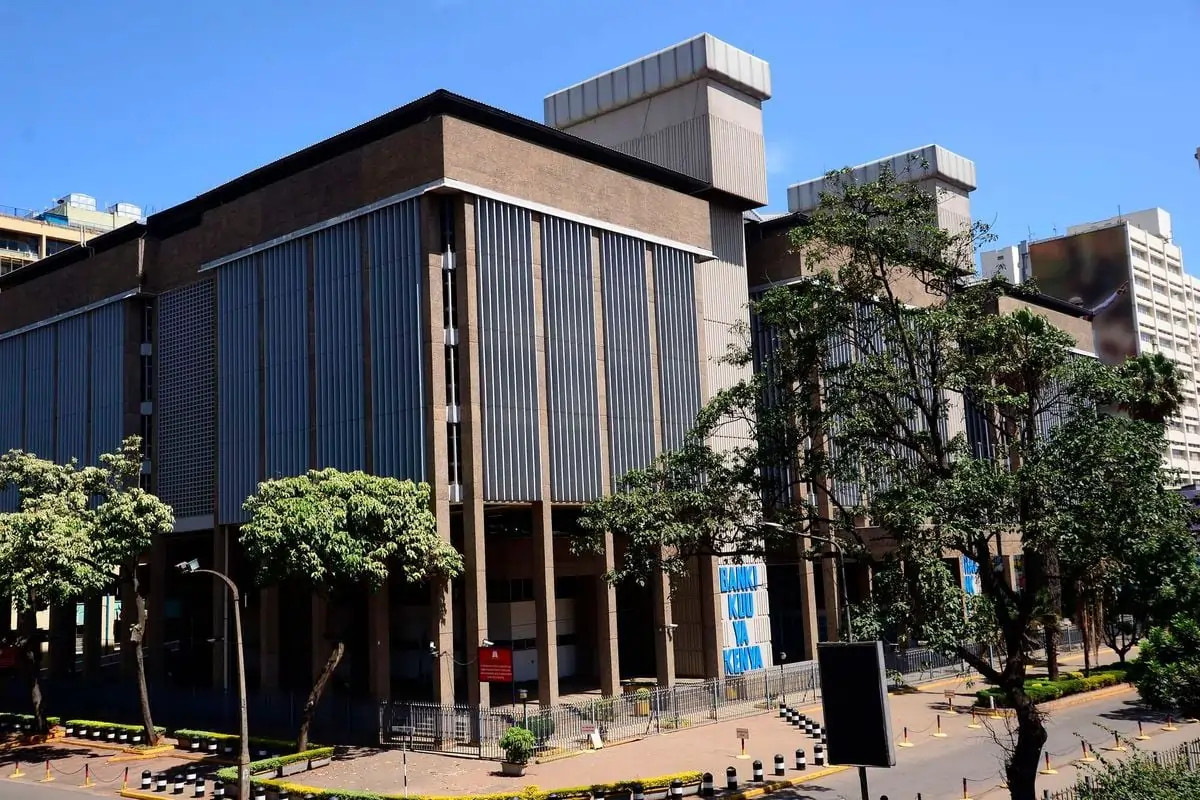
In 2023, Kenya’s banking sector witnessed an unprecedented surge in interbank borrowing, with banks lending a record Sh577 billion to each other, a significant leap from previous years. This development, highlighted in the latest report by the Kenya Bankers Association (KBA), underscores the increasingly challenging financial environment that has characterized the sector. Rising interest rates, coupled with heightened macroeconomic uncertainties, have forced banks to rely heavily on the interbank market to meet their funding requirements.
A Challenging Economic Environment
The record interbank borrowings have been driven by several key factors, including a high-interest rate environment, increased credit defaults, and fair value losses on government securities. These challenges have reshaped the strategies of banks, compelling them to seek liquidity through the interbank market. According to KBA, these borrowings, classified as placements with other banking institutions under the assets column, surged to 7.5 percent of the industry’s total assets, up from four percent in 2022. This shift represents a significant change in the composition of bank assets, reflecting the sector’s adaptation to the prevailing economic conditions.
The Role of the Central Bank of Kenya
The Central Bank of Kenya (CBK) has played a pivotal role in shaping the banking landscape through its monetary policy. In 2023, the CBK aggressively raised the benchmark lending rate, known as the Central Bank Rate (CBR), in a bid to contain inflation and stabilize the exchange rate. The CBR closed the year at 12.5 percent, up from 8.75 percent at the beginning of the year. This tightening of monetary policy has had far-reaching implications for the banking sector, making borrowing more expensive and prompting banks to turn to the interbank market to meet their liquidity needs.
To mediate lower borrowing costs between banks, the CBK modified its monetary policy framework by creating an interest corridor around the CBR. This corridor is designed to provide a reference point for interbank lending rates, ensuring that they remain within a reasonable range of the CBR. Additionally, the CBK revitalized the horizontal repo market, allowing for more efficient collateralized lending among commercial banks. These measures have helped to ease some of the pressures on the banking sector, although the high-interest rate environment remains a significant challenge.
Asset Diversification Strategies
The increase in interbank borrowings also reflects broader asset diversification strategies employed by banks in response to the challenging economic environment. As noted by the KBA, banks have shifted their portfolios towards placements with other banks, both locally and abroad, as part of their strategy to mitigate risks and adapt to the changing financial landscape.
In 2023, local banks accelerated their placements with banking institutions abroad, with deposits and balances hitting Sh515.8 billion, up from Sh164 billion in 2022. In contrast, balances from local banking institutions eased to Sh60.7 billion, down from Sh107.9 billion. This shift towards international placements highlights the banks’ efforts to diversify their assets and reduce their exposure to the volatile domestic market.
The Impact on Net Loans and Advances
While interbank borrowings have surged, the share of net loans and advances to customers as a percentage of total assets has declined. According to the CBK, this figure eased to 49.4 percent in 2023, down from 50.7 percent the previous year. This decline reflects the cautious approach taken by banks in extending credit, as they grapple with rising credit defaults and the associated risks.
The banking sector’s exposure to government securities has also decreased, with investments in these securities falling to 24.5 percent of the industry’s assets, down from 29 percent in 2022. This reduction is partly due to fair value losses on Treasuries, which have been exacerbated by the high-interest rate environment. As a result, banks have been forced to reassess their investment strategies, leading to a greater emphasis on asset diversification and liquidity management.
The Role of Small and Medium-Sized Banks
The high-interest rate environment has had a disproportionate impact on small and medium-sized banks, which have struggled to access funding from the interbank market. These banks, unable to secure liquidity from their peers, have been forced to rely on the CBK’s overnight emergency facility, also known as the discount window. This facility, while providing much-needed liquidity, comes with higher costs, further straining the financial position of these smaller institutions.
A Look at the Banking Industry’s Total Assets
Despite the challenges, the Kenyan banking sector has continued to grow, with the industry’s total assets increasing by Sh1.2 trillion in 2023 to reach Sh7.1 trillion, equivalent to 47 percent of the country’s GDP. This growth in assets is crucial, as it determines the revenue generation potential for banks, which earn interest income from loans and advances to customers, government securities, and placements with other banking institutions.
The increase in total assets also reflects the sector’s resilience and its ability to adapt to the changing economic environment. However, the reliance on interbank borrowing highlights the underlying vulnerabilities in the banking system, particularly in the face of rising interest rates and macroeconomic uncertainties.
The Future of Interbank Borrowing
Looking ahead, the future of interbank borrowing in Kenya will be shaped by several key factors, including the trajectory of interest rates, the stability of the exchange rate, and the broader macroeconomic environment. While the CBK’s efforts to stabilize the banking sector through monetary policy interventions have been effective to some extent, the high-interest rate environment is likely to persist, keeping pressure on banks to rely on the interbank market for liquidity.
Moreover, the shift towards asset diversification and the increasing reliance on placements with international banking institutions suggest that banks will continue to adapt their strategies in response to the evolving financial landscape. However, this trend also underscores the need for continued vigilance by regulators to ensure the stability and soundness of the banking system.
Conclusion: Navigating a Complex Financial Landscape
The record Sh577 billion in interbank borrowings in 2023 is a testament to the challenging financial environment faced by Kenyan banks. As they navigate the complexities of rising interest rates, credit defaults, and fair value losses on government securities, banks have turned to the interbank market as a vital source of liquidity. While this strategy has allowed them to manage their liquidity needs, it also highlights the underlying vulnerabilities in the banking system.
The CBK’s efforts to mediate borrowing costs through the creation of an interest corridor and the revitalization of the horizontal repo market have provided some relief to the sector. However, the high-interest rate environment is likely to remain a significant challenge, particularly for small and medium-sized banks that are more vulnerable to liquidity pressures.
As the Kenyan banking sector continues to evolve, the focus will be on asset diversification, liquidity management, and the ability to adapt to the changing economic landscape. The record interbank borrowings in 2023 may well be a harbinger of the challenges and opportunities that lie ahead, as banks strive to maintain their financial stability in an increasingly complex and uncertain environment.
photo source: Google
By: Montel Kamau
Serrari Financial Analyst
19th August, 2024