

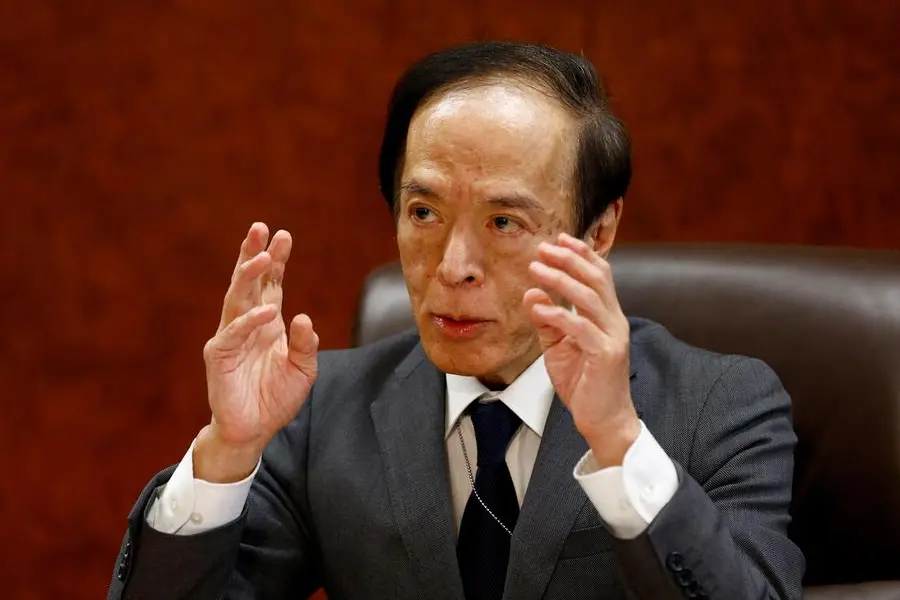
Japan’s parliament has made a significant move by summoning Bank of Japan (BOJ) Governor Kazuo Ueda to special sessions scheduled for August 23, 2024. These sessions, to be held by the finance committees of both the upper and lower houses, aim to address the central bank’s unexpected decision to raise interest rates, a move that has sent shockwaves through financial markets and stirred economic debate.
Context of the Rate Hike Decision
On July 31, 2024, the Bank of Japan (BOJ) made a momentous decision to raise interest rates to a level not seen in 15 years, breaking from its longstanding ultra-loose monetary policy. This move caught markets off guard and was interpreted as a sign that Japan’s central bank is shifting towards a more traditional monetary policy framework. The decision to raise rates comes as the BOJ sees increasing signs that inflation in Japan could sustainably hit or exceed its 2% target, driven by both domestic and global factors.
For over a decade, Japan has struggled with deflation and tepid economic growth, prompting the BOJ to maintain negative interest rates and extensive asset purchase programs to stimulate the economy. However, recent economic data has shown that inflationary pressures are building, partly due to global supply chain disruptions, rising energy costs, and a weakening yen, which has made imports more expensive.
The BOJ’s rate hike is seen as a preemptive measure to contain these inflationary pressures and to prevent the economy from overheating. However, the sudden shift has also raised concerns about the potential impact on Japan’s economic recovery, particularly in a global context where many economies are grappling with the risk of recession.
Impact on Financial Markets
The rate hike decision had an immediate and dramatic impact on financial markets, both in Japan and globally. The Nikkei 225, Japan’s benchmark stock index, experienced its largest selloff since the infamous Black Monday crash of 1987. The market turmoil was exacerbated by fears of a potential recession in the United States, which could have far-reaching implications for the global economy.
Investors reacted to the BOJ’s decision by selling off equities, particularly in sectors that are sensitive to interest rate changes, such as real estate, financials, and consumer discretionary stocks. The sharp decline in the Nikkei was accompanied by volatility in the bond markets, with yields on Japanese government bonds spiking as investors adjusted their expectations for future interest rates.
The yen, which had been weakening against major currencies due to Japan’s low-interest-rate policy, initially strengthened following the rate hike. However, the currency’s gains were tempered by ongoing concerns about the global economic outlook and the possibility that the U.S. Federal Reserve might also tighten monetary policy more aggressively than previously anticipated.
Parliamentary Inquiry and Political Implications
The decision to summon Governor Ueda to parliament underscores the seriousness with which Japan’s political leaders are treating the BOJ’s policy shift. Both ruling and opposition parties have expressed concerns about the timing and potential consequences of the rate hike, particularly its impact on the broader economy and financial stability.
During the sessions on August 23, Ueda is expected to provide a detailed explanation of the rationale behind the rate hike and the BOJ’s broader monetary policy strategy. Key issues likely to be discussed include the central bank’s assessment of inflationary pressures, the risks of raising rates too quickly, and the potential need for further rate hikes in the near future.
The parliamentary inquiry also reflects broader political concerns about the impact of rising interest rates on the Japanese economy, particularly on households and businesses that have become accustomed to a prolonged period of low borrowing costs. There are fears that higher rates could lead to increased loan defaults, reduced consumer spending, and slower economic growth.
Furthermore, the rate hike has significant implications for the government’s fiscal policy. Japan, which has one of the highest levels of public debt in the world, has benefited from low-interest rates, which have kept debt servicing costs manageable. A sustained period of higher interest rates could put additional pressure on the government’s finances, potentially leading to higher taxes or reduced public spending.
BOJ’s Policy Shift: A Departure from Abenomics
The BOJ’s decision to raise interest rates marks a departure from the policies of former Prime Minister Shinzo Abe, whose economic strategy, known as “Abenomics,” was characterized by aggressive monetary easing, fiscal stimulus, and structural reforms. Abenomics aimed to lift Japan out of deflation and restore economic growth, and the BOJ played a central role by implementing unprecedented monetary easing measures.
Governor Ueda’s decision to hike rates suggests that the BOJ is now prioritizing inflation control over economic stimulus, a shift that could have far-reaching consequences for Japan’s economy. While the move signals confidence in the country’s economic recovery, it also raises questions about the future direction of Japan’s monetary policy and its alignment with the government’s broader economic goals.
The BOJ’s policy shift comes at a time when other major central banks, including the U.S. Federal Reserve and the European Central Bank, are also grappling with the challenge of balancing inflation control with economic growth. Japan’s experience could provide important lessons for other countries facing similar dilemmas.
Economic Outlook and Challenges Ahead
As Japan navigates this new phase of monetary policy, several challenges lie ahead. One of the most pressing concerns is the impact of higher interest rates on Japan’s aging population, many of whom rely on fixed-income investments and pension payments. The BOJ will need to carefully manage the pace of rate hikes to avoid putting undue strain on these vulnerable groups.
Another challenge is the potential impact on Japan’s export-driven economy. A stronger yen, resulting from higher interest rates, could make Japanese exports less competitive in global markets, potentially leading to a slowdown in industrial production and job losses in key sectors such as manufacturing and technology.
The BOJ will also need to monitor global economic developments closely, particularly in the United States and China, Japan’s two largest trading partners. A downturn in either of these economies could have significant implications for Japan’s economic outlook, further complicating the central bank’s policy decisions.
Conclusion
The Bank of Japan’s decision to raise interest rates marks a significant turning point in the country’s monetary policy and has set the stage for a new phase of economic management. As Governor Kazuo Ueda prepares to face parliament on August 23, the nation will be watching closely to see how the central bank plans to navigate the complex challenges ahead.
The parliamentary inquiry will provide an opportunity for Ueda to articulate the BOJ’s strategy and reassure lawmakers, investors, and the public that the central bank is committed to maintaining financial stability while supporting sustainable economic growth. The outcome of these sessions could have a lasting impact on Japan’s economic trajectory and its role in the global financial system.
photo source: Google
By: Montel Kamau
Serrari Financial Analyst
14th August, 2024