
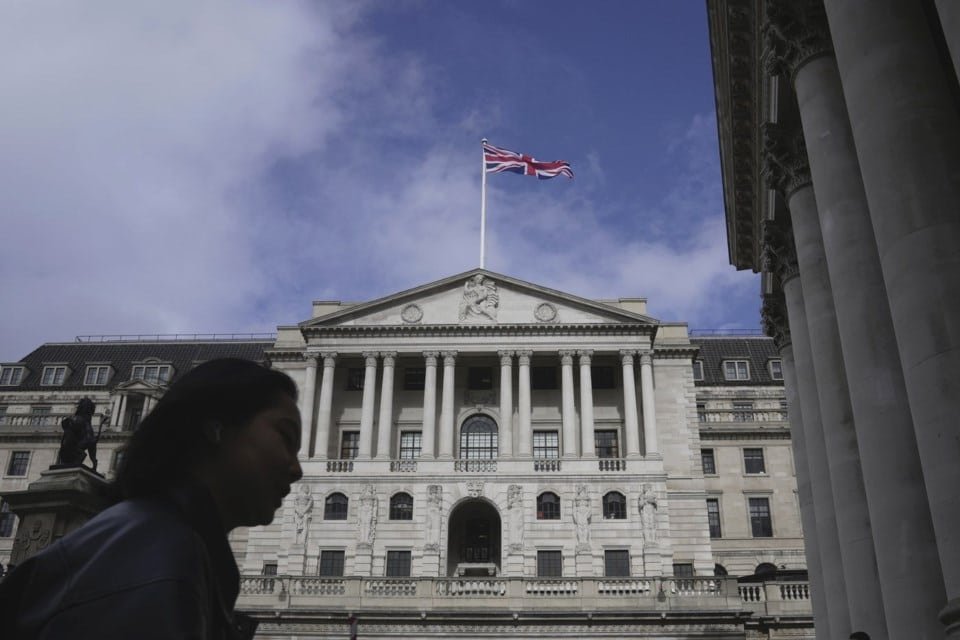
In a significant shift in monetary policy, the Bank of England (BoE) has reduced its main interest rate by 0.25%, bringing it down to 5% from the previous 16-year high of 5.25%. This marks the first rate cut since the early days of the COVID-19 pandemic in 2020, reflecting a response to easing inflationary pressures in the UK economy.
The Decision and Its Implications
On Thursday, the BoE announced that its policymaking panel had voted 5-4 in favor of the quarter-point reduction. This move aligns the BoE with other central banks that have recently begun to cut interest rates following a prolonged period of increases aimed at curbing inflation. The decision underscores the central bank’s view that the aggressive rate hikes have successfully tamed inflation, which is now hovering around the bank’s target of 2%.
BoE Governor Andrew Bailey, who voted for the rate cut, emphasized the need for caution in reducing rates too quickly or significantly. “Inflationary pressures have eased enough that we’ve been able to cut interest rates today,” Bailey stated. “But we need to make sure inflation stays low, and be careful not to cut interest rates too quickly or by too much. Ensuring low and stable inflation is the best thing we can do to support economic growth and the prosperity of the country.”
Context: Global Monetary Policy Trends
The BoE’s decision comes at a time when central banks worldwide are reevaluating their monetary policies. The U.S. Federal Reserve, for instance, has yet to cut rates but is expected to do so in the near future. The European Central Bank has also opted for rate cuts, albeit cautiously, as they balance the need to support economic growth with the risk of reigniting inflation.
During the COVID-19 pandemic, central banks slashed interest rates to near zero to support economic activity. However, as the global economy began to recover, inflation surged, driven by supply chain disruptions and geopolitical tensions, notably Russia’s invasion of Ukraine, which led to skyrocketing energy prices. In response, central banks, including the BoE, implemented a series of rate hikes to control inflation.
Economic Impact of the Rate Cut
The BoE’s rate cut is expected to provide relief to millions of mortgage holders in the UK, particularly those with variable-rate mortgages that track the bank’s headline rate. David Hollingworth, associate director at L&C Mortgages, highlighted that the prospect of further rate cuts could boost consumer confidence and potentially invigorate the housing market. “That will be important reassurance to many that have been scarred by the turbulent and volatile periods in the mortgage market over the last couple of years,” Hollingworth noted.
However, while lower interest rates may benefit borrowers, they also tend to reduce the returns on savings. This dual effect underscores the delicate balance the BoE must maintain in its monetary policy.
Inflation and Economic Growth
The decision to cut rates was influenced by the BoE’s assessment that inflationary pressures are subsiding. The bank’s forecasts suggest that inflation will remain below the target in the coming years, despite a slight uptick anticipated in the second half of the year.
Luke Bartholomew, deputy chief economist at abrdn (formerly known as Aberdeen Asset Management), remarked that the data would ultimately guide future interest rate decisions. “But ultimately it is the data that will determine how interest rates evolve from here, with the bank hoping its conviction that underlying inflation pressures are fading will be vindicated,” Bartholomew said.
Criticism and Challenges
Despite the positive outlook, the BoE has faced criticism for potentially being overly cautious in its approach to inflation. Critics argue that maintaining high interest rates for too long has unnecessarily stifled economic growth. The UK economy has struggled to gain momentum, barely growing since the initial rebound following the pandemic. Critics contend that the BoE’s prolonged high rates may have exacerbated economic stagnation.
Similar criticisms have been directed at the U.S. Federal Reserve, which opted to keep rates unchanged in its recent meeting. The Fed’s cautious approach has sparked debate over whether it has been too slow to adapt to changing economic conditions.
Broader Economic Landscape
The BoE’s rate cut must be viewed within the broader context of global economic challenges. The UK, like many other countries, is navigating the complex interplay of post-pandemic recovery, geopolitical uncertainties, and evolving trade dynamics. The reduction in borrowing costs is expected to ease financial pressures on businesses and consumers, potentially stimulating economic activity.
However, the BoE’s cautious stance suggests that it remains vigilant about the risks of lowering rates too quickly. The central bank’s primary mandate is to ensure price stability, and it must balance this with the need to support economic growth.
Future Prospects
Looking ahead, there is widespread expectation that the BoE will implement further rate cuts in the coming months, especially if inflation continues to trend downward. However, any future adjustments will be carefully calibrated based on economic data and prevailing conditions.
The potential for additional rate cuts is a welcome prospect for many sectors of the economy. Lower borrowing costs could encourage investment and spending, providing a much-needed boost to economic activity. However, the BoE will need to manage expectations and communicate its policy intentions clearly to avoid market volatility.
Conclusion
The Bank of England’s decision to lower its main interest rate to 5% marks a significant shift in its monetary policy stance. This move, the first rate cut since the COVID-19 pandemic began, reflects easing inflationary pressures and aims to support economic growth. However, the BoE remains cautious about future rate reductions, emphasizing the need to maintain price stability.
As the UK navigates the post-pandemic economic landscape, the BoE’s monetary policy will play a crucial role in shaping the country’s economic trajectory. By carefully balancing the dual objectives of controlling inflation and fostering growth, the BoE aims to create a stable and prosperous economic environment for the future.
photo source: Google
By: Montel Kamau
Serrari Financial Analyst
2nd August, 2024