In the bustling tech hubs of Lagos, a storm is brewing, threatening to unravel the fragile threads that hold Nigeria’s digital economy together. Tech entrepreneurs, united under the aegis of the Nigerian Tech Community (NTC), have issued a heartfelt plea to Nigerians: cancel the looming nationwide protests set to begin on August 1. These protests, driven by the escalating hardships faced by millions across the country, could spell disaster for the burgeoning tech sector that has been a beacon of hope and progress.
The Growing Crisis
Nigeria’s youths, grappling with high unemployment rates and an ever-rising cost of living, are preparing to take to the streets in a show of frustration and demand for change. Despite calls for calm and security concerns, the protest organizers remain steadfast, vowing not to back down. The tech entrepreneurs, in a statement issued by NTC’s President-General, Benedict Aguele, warn that the protest poses a significant threat to the digital economy.
“The tech community is aware of the difficulties faced by Nigerians, but we also recognize that protests can disrupt the fragile economic progress made so far,” Aguele said. “We cannot afford to compromise the stability of our nation, especially when it comes to the tech sector, which is a critical driver of growth.”
The Role of the Digital Economy
Nigeria’s digital economy has been a crucial pillar of the country’s economic framework, contributing significantly to GDP and employment. According to the National Bureau of Statistics, the Information and Communication Technology (ICT) sector accounted for 17.9% of Nigeria’s GDP in 2023. This sector has been instrumental in driving innovation, creating jobs, and providing essential services to millions of Nigerians. Lagos, in particular, has emerged as a vibrant tech hub, attracting startups and investments from around the globe.
Aguele’s concerns are not unfounded. The potential for the protests to turn violent could have devastating consequences. “When protests turn violent, they can disrupt the fragile infrastructure that underpins our digital economy. Data centers, network infrastructure, and other critical tech assets can be damaged or destroyed, leading to widespread outages and disruptions to essential services,” he explained.
The Ripple Effect on the Economy
The economic implications of such disruptions are vast. E-commerce platforms, which have seen tremendous growth in Nigeria, could face significant setbacks. The e-commerce market in Nigeria was valued at $13 billion in 2023, with continued growth projected. Disruptions could erode consumer confidence and reduce online transactions, affecting businesses and the economy at large.
Fintech companies, another cornerstone of Nigeria’s digital economy, could also be severely impacted. Millions of Nigerians rely on digital banking services for their daily transactions. Any disruption could lead to a loss of access to financial services, impacting personal savings, business operations, and overall economic stability. Nigeria’s fintech sector, one of the largest in Africa, attracted over $1 billion in investments in 2023 alone. These investments could be jeopardized by prolonged instability and uncertainty.
Innovation and Investment at Risk
The broader impact on innovation and investment is a critical concern. Nigeria has been a hotbed for tech innovation, with startups across various sectors such as health tech, ed-tech, and agri-tech making significant strides. The uncertainty and potential instability caused by protests could deter both local and foreign investors. Investment confidence is crucial for the continued growth and expansion of the tech sector. In 2023, Nigeria attracted $2 billion in tech investments, a figure that could be at risk if the protests lead to long-term instability.
Calls for Alternative Solutions
In response to these looming threats, tech entrepreneurs are calling for alternative solutions to address the grievances of Nigerian youths. “We understand the frustrations and the need for action, but we urge for a different approach that will not jeopardize the progress we have made,” Aguele said. “Dialogue and constructive engagement with the government can lead to sustainable solutions without compromising our digital infrastructure.”
There have been growing calls for the government to address the underlying issues that have led to the planned protests. High unemployment, inflation, and the rising cost of living are significant concerns that need urgent attention. According to the National Bureau of Statistics, Nigeria’s unemployment rate stood at 33.3% in Q4 2023, with youth unemployment even higher at 42.5%.
The Government’s Role in Mitigating Risks
The government’s role in mitigating risks to the digital economy is crucial. Protecting critical infrastructure and maintaining a stable environment for businesses to operate is essential. The government must engage with the protest organizers and address their concerns in a manner that avoids further economic disruption.
The Importance of Collaboration
Collaboration between the tech community and the government is vital. By working together, they can develop strategies to safeguard the digital economy while addressing the socioeconomic issues that have led to the protests. This collaboration could involve creating more tech-driven job opportunities, investing in digital skills training, and fostering an environment that supports innovation and entrepreneurship.
Building a Resilient Digital Economy
Building a resilient digital economy requires a multifaceted approach. It involves not only protecting existing infrastructure but also investing in the future. Initiatives to improve digital literacy, expand broadband access, and support tech startups are essential. The Nigerian government, in partnership with the private sector, has already launched several initiatives aimed at boosting the digital economy, such as the National Digital Economy Policy and Strategy (NDEPS) and the Nigerian Startup Act.
Conclusion
As Nigeria stands on the brink of potential nationwide protests, the call from the tech community is clear: find a way to address the grievances without compromising the digital economy. The stakes are high, with the potential for significant economic disruption if the protests turn violent. However, through dialogue, collaboration, and a commitment to addressing the root causes of the unrest, it is possible to navigate this challenging period and emerge stronger. The digital economy remains a beacon of hope and progress for Nigeria, and safeguarding it should be a top priority for all stakeholders.
Looking to the Future
The Nigerian tech community is poised to continue its trajectory of growth and innovation. However, this future is contingent on stability and a supportive environment. As the nation grapples with its challenges, the resilience and creativity of its tech entrepreneurs will be crucial. By working together, Nigeria can ensure that its digital economy not only survives but thrives, providing opportunities and prosperity for generations to come.
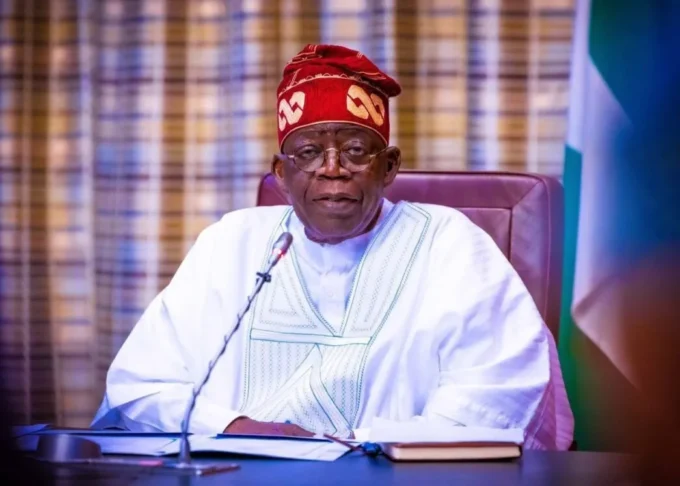
Photo source: Google
By: Montel Kamau
Serrari Financial Analyst
31st July, 2024