Ankara Signals Confidence with Reserve Boost and Improved Ratings
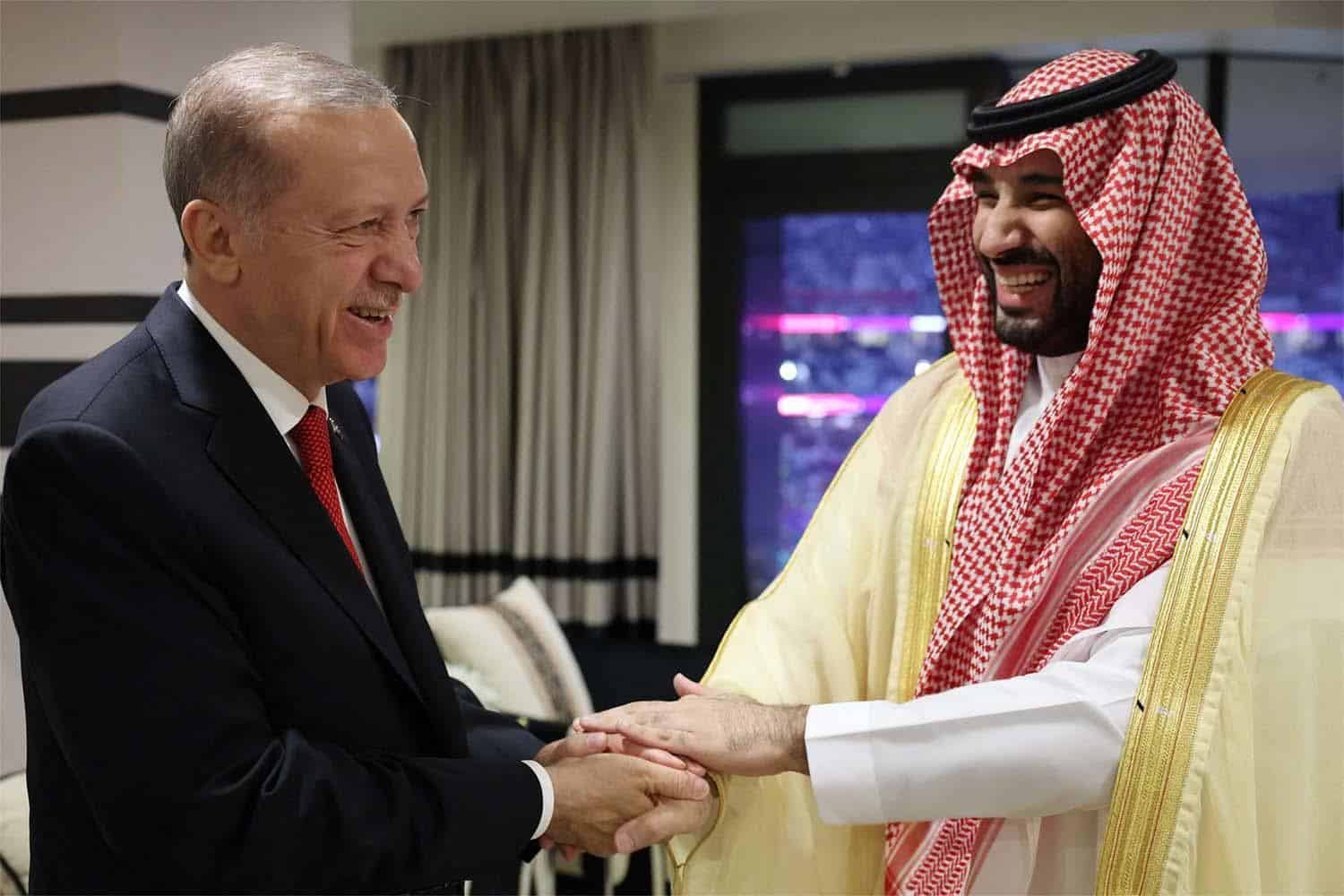
In a move showcasing its growing economic confidence, Turkey has announced the repayment of a $5 billion deposit held by Saudi Arabia. This bold decision comes in the wake of a revised growth forecast by the International Monetary Fund (IMF) and a credit rating upgrade by Moody’s, both reflecting a more optimistic outlook for Turkey’s economic future.
Strengthening Reserves and Reducing Liabilities
The Central Bank of Türkiye (CBRT) emphasized that the repayment is part of a broader strategy aimed at reducing external liabilities and effectively managing reserves. Turkey’s Minister of Treasury and Finance, Mehmet Simsek, highlighted the significant improvement in the country’s foreign exchange reserves, attributing this to several key factors:
- Increased Foreign Resource Inflows: Turkey has experienced a surge in foreign investment, driven by enhanced economic stability and growth potential recognized by the IMF.
- Reverse Dollarization: Turkish citizens are increasingly converting their dollar holdings back into Turkish Lira, indicating a growing confidence in the domestic currency.
- Decreasing External Financing Needs: As Turkey’s economy strengthens, its need for external borrowing diminishes, further reducing liabilities.
The CBRT underscored that the repayment was made with “mutual agreement” between Turkey and the Saudi Fund for Development, suggesting a continuing positive relationship between the two nations despite the conclusion of this financial arrangement.
Positive Economic Signals: Growth Forecast and Ratings Upgrade
The repayment coincides with other encouraging economic signals for Turkey. The IMF recently revised its growth forecast for the country upwards to 3.6%, reflecting increased optimism about Turkey’s economic trajectory. Additionally, Moody’s upgraded Turkey’s credit rating from ‘B3’ to ‘B1’, with a positive outlook. This upgrade indicates a decrease in perceived investment risk, potentially attracting more foreign capital. Moody’s cited improvements in governance and a return to orthodox monetary policy as key reasons for the upgrade.
Looking Ahead: Continued Cooperation and Long-Term Stability
Despite the repayment marking a shift in Turkey’s financial strategy, Minister Simsek emphasized that economic and financial cooperation with Saudi Arabia would continue. This suggests that the two nations may explore other forms of economic collaboration.
While these developments paint a promising picture for Turkey, challenges remain. Inflation, a persistent issue, needs to be addressed for long-term stability. Additionally, regional geopolitical tensions could disrupt investment flows.
Overall, the repayment of the Saudi deposit and the accompanying positive economic indicators signal growing confidence in Turkey’s economic prospects. However, achieving sustained economic growth will depend on addressing remaining challenges and implementing sound economic policies.
Additional Considerations:
- Impact on Saudi Arabia: While the repayment is unlikely to significantly affect Saudi Arabia’s overall financial standing, it might prompt them to re-evaluate their investment strategy in Turkey. They may seek alternative investment opportunities or negotiate new terms.
- Geopolitical Context: The relationship between Turkey and Saudi Arabia, though positive in this instance, can be influenced by broader regional dynamics. Understanding these dynamics is crucial for future economic cooperation between the two countries.
- Long-Term Sustainability: Despite recent positive developments, Turkey must focus on long-term economic sustainability. This includes diversifying its economy, reducing dependence on foreign capital, and fostering domestic innovation.
By considering these factors, we gain a more nuanced understanding of Turkey’s economic situation and its potential future trajectory.
photo source: Google
By: Montel Kamau
Serrari Financial Analyst
25th July, 2024