Introduction
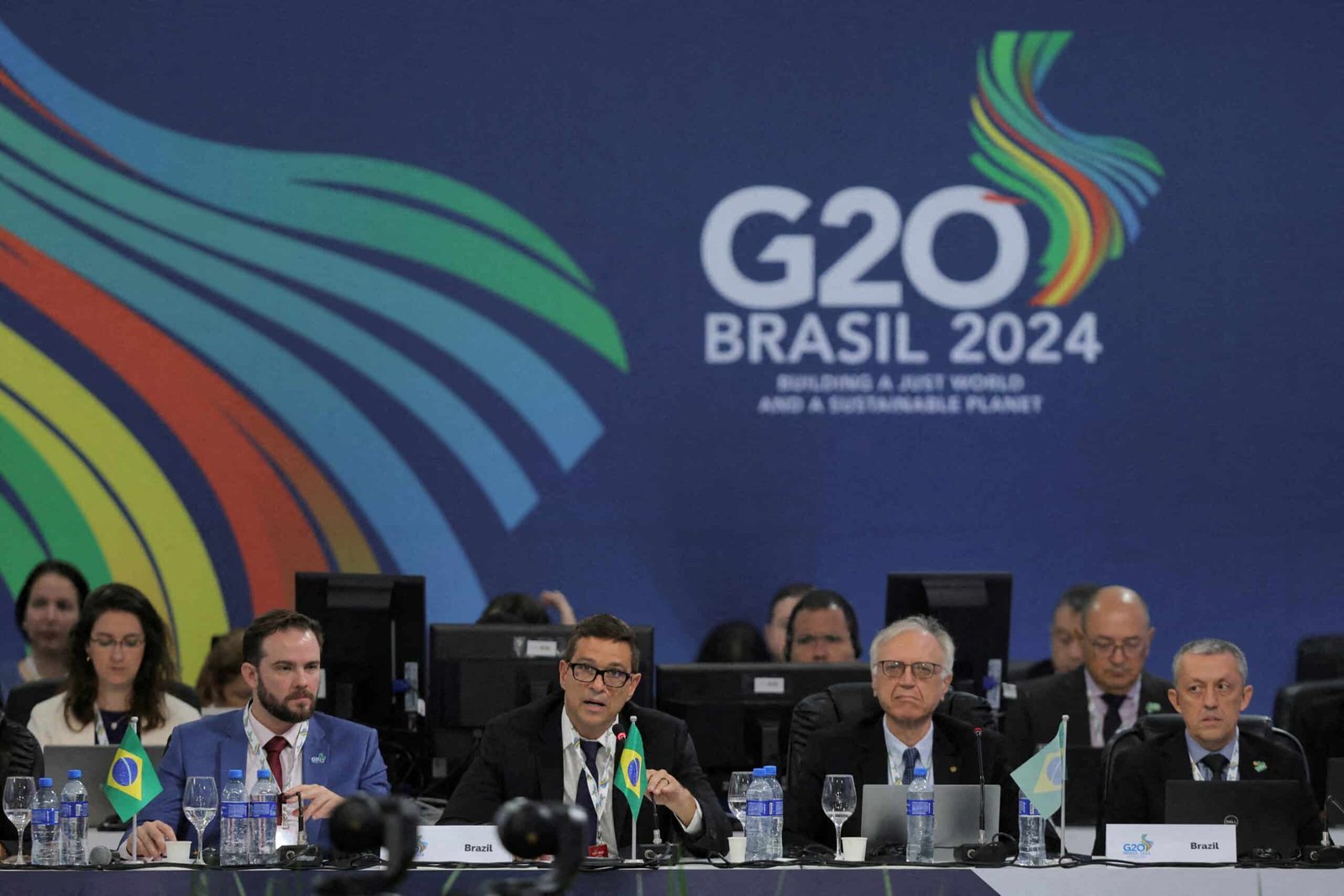
Amidst a backdrop of global economic uncertainties, the recent G20 meeting in Rio de Janeiro provided a beacon of hope. A draft communique obtained by Reuters indicates a growing sense of cautious optimism among finance ministers and central bank governors about a potential soft landing for the global economy. This analysis delves into the factors driving this optimism, the persistent challenges that remain, and the strategies the G20 might consider to navigate an uncertain future.
Factors Fueling Optimism: A More Nuanced View
The draft communique spotlights disinflation as a major driver of optimism. Yet, the reality is more complex. Disinflation trends are uneven across different regions. Developed economies like the United States and the Eurozone are experiencing more significant declines in inflation rates. Conversely, emerging economies such as India and Brazil are still grappling with persistent inflationary pressures, often exacerbated by domestic issues like supply chain disruptions and currency depreciation.
Data from the International Monetary Fund (IMF) paints a clearer picture. While the global inflation forecast for 2024 has been revised downwards to 5.7%, disparities remain stark. Advanced economies are expected to see inflation around 3.5%, whereas emerging and developing economies might face rates closer to 7.2%. This unevenness highlights the need for region-specific policy responses to ensure a truly global soft landing.
Technological Innovation: A Double-Edged Sword
The G20 communique rightly acknowledges the potential of technological innovation to spur global growth. Breakthroughs in artificial intelligence, renewable energy, and automation present exciting opportunities for productivity gains and economic expansion. For instance, the International Labour Organization (ILO) estimates that AI could create up to 90 million new jobs globally by 2030. However, technological disruption also poses risks. Job displacement due to automation could widen income inequality, necessitating targeted social safety nets and workforce retraining programs.
Addressing Persistent Challenges: A Multi-Pronged Approach
The communique recognizes several challenges that could hinder the projected soft landing.
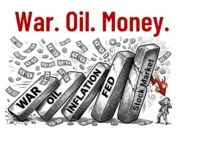
Geopolitical instability, particularly ongoing conflicts in various regions, poses a significant threat. Disruptions to global supply chains, rising energy prices, and reduced investor confidence are potential consequences. The G20 must advocate for diplomatic solutions and strengthen international cooperation to mitigate these economic impacts.
Economic divergence also demands attention. The IMF suggests that targeted fiscal policies and structural reforms are crucial. Advanced economies with strong fiscal positions could consider infrastructure spending and development aid to stimulate growth in developing countries. Meanwhile, developing economies should focus on reforms to improve business environments and attract foreign investment.
Inflationary pressures remain unpredictable. Central banks will need to balance tightening monetary policy to curb inflation with keeping interest rates low enough to support growth. Open communication and policy coordination among G20 central banks will be vital in navigating this delicate balance.
The Role of International Cooperation
The draft communique emphasizes international cooperation as essential for ensuring a soft landing. The G20 can facilitate this cooperation by:
- Facilitating dialogue between governments, central banks, and the private sector to develop a coordinated global response.
- Promoting trade openness and multilateral trade agreements to ensure smooth global supply chain functioning.
- Supporting developing economies with financial assistance and technical expertise to help them weather economic storms.
- Investing in global public goods such as climate change mitigation and pandemic preparedness to create a more stable and resilient global economy.
Conclusion: A Collective Effort for a Sustainable Future
The G20 summit in Rio de Janeiro has provided a cautiously optimistic outlook for the global economy. Disinflationary trends and technological advancements suggest a potential soft landing on the horizon. However, significant challenges remain. Geopolitical instability, economic divergence, and inflationary pressures require a well-coordinated and multifaceted response. Through its emphasis on international cooperation, the G20 has the potential to guide the global economy toward a more sustainable and prosperous future. The success of this endeavor hinges on the collective commitment of member states to address the outlined challenges and work together for a brighter economic future.
Photo source: Google
By: Montel Kamau
Serrari Financial Analyst
23rd July, 2024