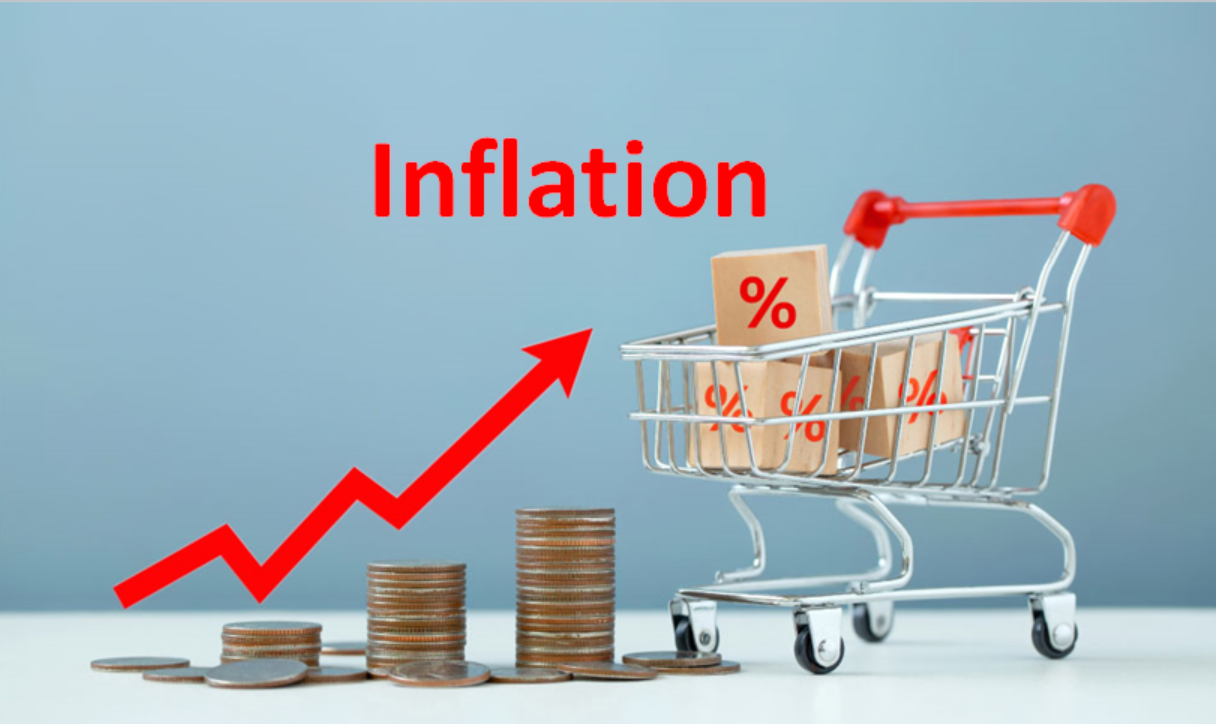
In a move sending shockwaves through Nigerian markets, the Central Bank of Nigeria (CBN) has announced its fourth consecutive interest rate hike, raising the benchmark lending rate to a staggering 26.75%. This aggressive action underscores the bank’s unwavering commitment to taming inflation, which continues to grip the nation despite previous interventions.
Economists had widely anticipated another rate hike after June saw a further rise in inflation and a depreciation of the naira on both official and black markets. This recent devaluation forced the CBN to step in and defend the currency.
A Perfect Storm: Factors Fueling Inflation
Nigeria’s current economic predicament is a complex one, fueled by several factors. Here’s a deeper dive into the key contributors:
- Global Supply Chain Disruptions: The ongoing war in Ukraine and lingering effects of the COVID-19 pandemic continue to disrupt global supply chains. This translates to higher import costs for essential goods like food and fuel, pushing up overall inflation in Nigeria.
- Rising Food Prices: Locally, food price inflation is a major concern. Droughts and insecurity in some regions have impacted agricultural production, leading to shortages and price hikes for staples like rice, maize, and cassava.
- Currency Depreciation: The depreciation of the naira against major currencies like the US dollar makes imports more expensive. This not only contributes to inflation in imported goods but also puts additional pressure on domestic prices as businesses struggle with higher input costs.
- Wage-Price Spiral: As inflation rises, workers may demand higher wages to maintain their purchasing power. However, if businesses pass on these increased costs to consumers through higher prices, it can create a wage-price spiral, further accelerating inflation.
The CBN’s Tightrope Walk: Balancing Growth and Inflation
The CBN is caught in a precarious position. Raising interest rates is a traditional tool to combat inflation by making borrowing more expensive. This discourages businesses and consumers from taking out loans, thereby reducing demand in the economy and theoretically slowing down price increases.
However, there’s a downside. High interest rates can stifle economic growth. Businesses may be hesitant to invest or expand if borrowing becomes too expensive. Consumers may also cut back on spending, further dampening economic activity. This creates a delicate balancing act for the CBN: curbing inflation without derailing economic growth.
The Impact: Beyond Interest Rates
The CBN’s aggressive rate hikes will undoubtedly have a significant impact on the Nigerian economy. Here’s a closer look at the potential consequences:
- Impact on Businesses: Businesses of all sizes will likely feel the pinch. Access to credit for expansion, investment, and even day-to-day operations will become more expensive. This could lead to project delays, hiring freezes, or even layoffs in some sectors. Small and medium-sized enterprises (SMEs) are particularly vulnerable, as they often rely heavily on loans for growth.
- Impact on Consumers: Nigerian households are already struggling with rising prices. The higher interest rates will make borrowing for essential needs like mortgages, car loans, and even consumer durables significantly more expensive. This could lead to a decline in consumer spending, further dampening economic activity.
- Impact on the Naira: The CBN’s rate hikes are intended to stabilize the naira. By making Nigerian naira-denominated assets more attractive, they aim to discourage currency speculation and encourage foreign investment. However, the effectiveness of this strategy depends on various factors, including global economic conditions and investor confidence in the Nigerian economy.
Looking Ahead: Potential Solutions and the Road to Recovery
The CBN’s actions are a crucial step towards tackling inflation, but they are unlikely to be the sole solution. Here’s a glimpse into what might lie ahead:
- Fiscal Policy Coordination: To effectively combat inflation, a coordinated effort between the CBN’s monetary policy and the government’s fiscal policy is essential. The government could implement measures to address supply chain bottlenecks, invest in infrastructure projects that boost agricultural production, and provide targeted subsidies to vulnerable populations.
- Exchange Rate Management: The CBN may need to carefully manage the exchange rate to prevent further depreciation of the naira. This could involve intervening in the foreign exchange market or implementing stricter capital controls.
- Boosting Domestic Production: Long-term solutions lie in measures that encourage domestic production of essential goods. This could involve supporting local agriculture, promoting import substitution industries, and attracting foreign direct investment in key sectors.
The Nigerian public is watching with bated breath to see how these aggressive rate hikes will play out. The success of the CBN’s strategy hinges on various factors, including global economic conditions, government policy interventions, and the resilience of the Nigerian people. While the road to recovery may be long and challenging, Nigeria’s past economic resilience offers a glimmer of hope. The nation has weathered many storms before, and with the right policies and determination, it can navigate through this economic turbulence.
Photo source: Google
By: Montel Kamau
Serrari Financial Analyst
23rd July, 2024