

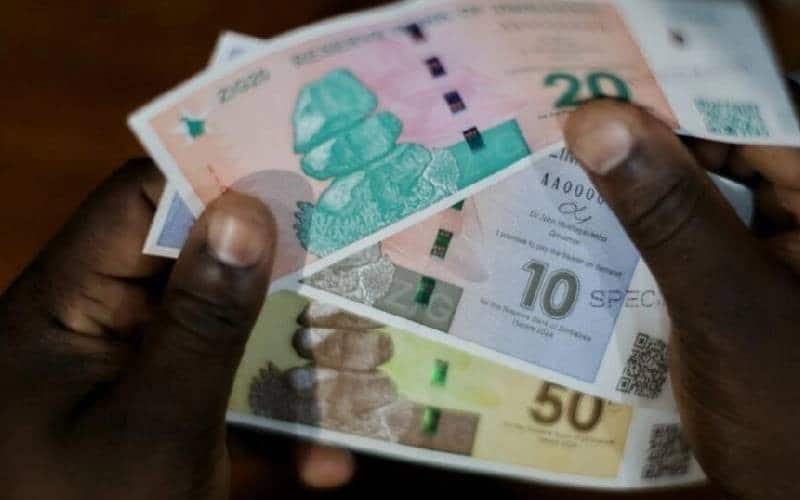
Zimbabwe’s financial landscape is entering a new chapter with the introduction of the Zimbabwe Gold (ZiG), the country’s latest attempt to stabilize its economy. This article explores the historical context, economic hurdles, and potential pathways for the ZiG’s success.
A Legacy of Hyperinflation and Currency Woes
To understand the ZiG’s prospects, it’s essential to consider Zimbabwe’s recent monetary history. The country has endured severe economic instability marked by rampant hyperinflation, which devastated the value of the Zimbabwean dollar (ZWD) and undermined trust in its currency.
- Hyperinflation Under Mugabe: Zimbabwe’s worst hyperinflation crisis occurred during former President Robert Mugabe’s tenure from 1980 to 2017. Between 2000 and 2008, inflation soared to staggering levels—estimated at 99 billion percent—making the ZWD virtually worthless. Daily life became a struggle as people resorted to bartering for necessities, and the economy was left in tatters.
- Adopting a Multi-Currency System: In response to hyperinflation, Zimbabwe abandoned its currency in 2009, shifting to a multi-currency system that relied on the US dollar, South African rand, and other foreign currencies. While this move helped stabilize prices temporarily, it exposed the economy to external fluctuations and limited the government’s ability to influence monetary policy.
Why the ZiG Matters: Regaining Control and Encouraging Growth
The launch of the ZiG represents a renewed effort by the Zimbabwean government to establish a domestic currency and regain control over its monetary system. Here’s why this matters:
- Reducing Dependence on Foreign Currencies: Heavy reliance on foreign currencies makes Zimbabwe’s economy vulnerable to global economic shifts. If successful, the ZiG could reduce this vulnerability and enable the government to tailor monetary policy to the country’s specific needs.
- Seigniorage Revenue: Issuing its own currency allows the government to collect seigniorage—the profit from the difference between the cost of producing the currency and its face value. This revenue could support government programs and stimulate economic growth.
- Fostering National Pride and Confidence: A stable national currency can instill a sense of pride and economic confidence. Widespread adoption of the ZiG could enhance Zimbabwe’s economic identity and encourage domestic investment.
Challenges and Paths to Success for the ZiG
Despite its potential benefits, the ZiG faces several significant challenges:
- Rebuilding Trust: The memory of hyperinflation remains fresh in Zimbabwe’s collective consciousness. To rebuild public trust, the government must consistently back the ZiG with reserves and demonstrate a commitment to sound fiscal policies.
- Addressing Shortages and Black Markets: Reports of ZiG shortages could lead to public frustration and spur black market activity. The central bank must ensure there is enough currency in circulation to meet demand and maintain confidence.
- Economic Diversification: Zimbabwe’s heavy reliance on commodities like gold makes its economy vulnerable to price swings. The government needs to prioritize diversifying the economy to provide a more stable foundation for the ZiG.
The Role of the International Community
The international community can play a pivotal role in supporting Zimbabwe’s economic recovery and the success of the ZiG:
- Technical Assistance: Institutions like the International Monetary Fund (IMF) can offer valuable technical assistance on responsible monetary policy and financial management.
- Debt Relief: Zimbabwe’s significant external debt burden hampers economic growth. Debt relief from international creditors could provide the government with the fiscal space needed to invest in infrastructure and social programs.
- Attracting Foreign Investment: A stable and predictable economic environment is essential for attracting foreign investment, which is crucial for job creation and economic development. The international community can support efforts to improve Zimbabwe’s business climate and attract foreign direct investment (FDI).
Conclusion: A Pivotal Moment for Zimbabwe
The ZiG’s launch is a bold step in Zimbabwe’s quest for economic stability. The coming months will be crucial in determining whether this new currency can overcome past challenges and establish itself as a reliable medium of exchange. By addressing identified hurdles, embracing transparency, and fostering international cooperation, Zimbabwe can improve the chances of the ZiG’s success and pave the way for a more prosperous future.
photo source: Google
By: Montel Kamau
Serrari Financial Analyst
19th July, 2024