Galiche Buwa, a 75-year-old widow, has survived civil wars, famine, and natural disasters. Her grocery business has been her lifeline through these turbulent times. However, the recent rupture of a key pipeline in Sudan has put even this staple of stability at risk, shaking the foundations of South Sudan’s economy.
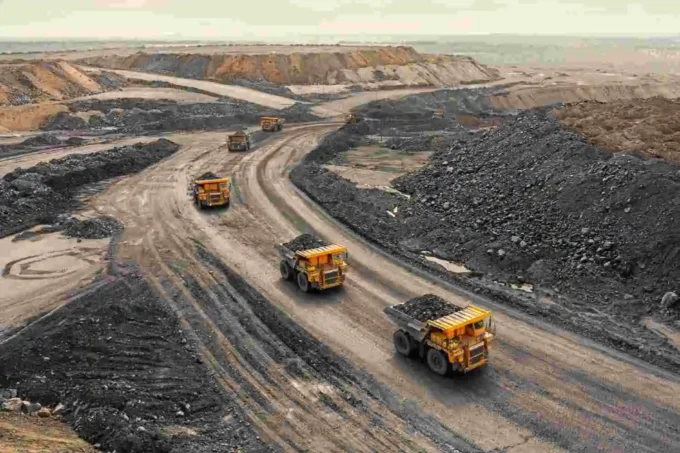
The pipeline, crucial for transporting South Sudan’s crude oil, was damaged in February. As a result, the country, which depends on oil exports for nearly 90% of its GDP, has seen a sharp decline in revenue. The economic consequences have been severe. Inflation has surged, and the value of the South Sudanese pound has plummeted. On the black market, the pound has devalued from 2,100 to 3,100 per US dollar since March, while the official exchange rate has dropped from 1,100 to nearly 1,550.
“These days we are suffering. Things are tough,” Buwa shared at Juba’s Konyo-Konyo market. Rising costs have forced her to buy supplies on credit, with the price of maize increasing from 800 to 2,000 South Sudanese pounds since March.
The economic strain is felt throughout Juba’s largest market. Teddy Aweye, a 28-year-old mother of two, struggles to feed her family on one meal a day. “You go to the market today, you get a price, and tomorrow you go back and you get a different price,” she explained.
Retailers and wholesalers are also affected. Abdulwahab Okwaki, a 61-year-old butcher, has seen his business decline as customers buy smaller quantities of meat. Harriet Gune, a 27-year-old boutique owner, has lost customers due to rising prices. A pair of jeans that cost 25,000 South Sudanese pounds in March now sells for 35,000.
The government faces similar financial difficulties. Finance Minister Awow Daniel Chuang warned parliament in May that revenue shortfalls might prevent the payment of salaries. The pipeline damage has cut oil revenues by 70%, impacting crucial crude exports.
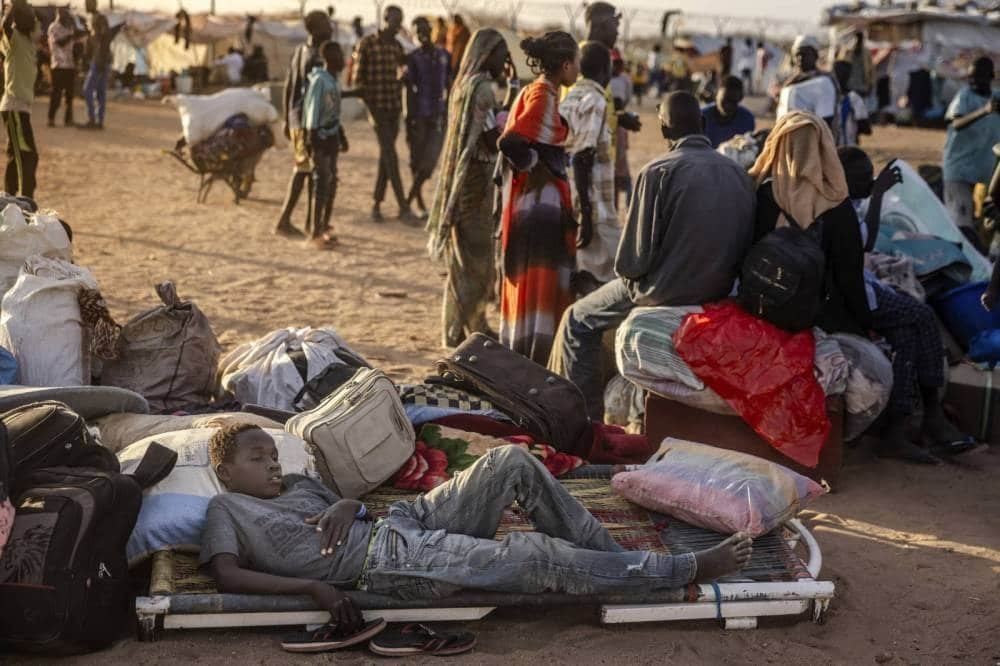
The ongoing conflict in Sudan, which began in April 2023, has further strained South Sudan’s economy. The violence has caused massive displacement, with over 700,000 Sudanese seeking refuge in South Sudan, exacerbating the economic crisis.
Economist and government advisor Abraham Maliet Mamer emphasized the need for South Sudan to develop its infrastructure. “We have less money, fewer services, and our security is a problem,” he stated, advocating for the construction of refineries and alternative pipelines.
The immediate challenges for traders like Buwa underscore the urgent need for strategic long-term solutions. Developing alternatives to the current infrastructure is crucial for stabilizing South Sudan’s economy and securing its future.
Photo source: Google
By: Montel Kamau
Serrari Financial Analyst
9th July, 2024