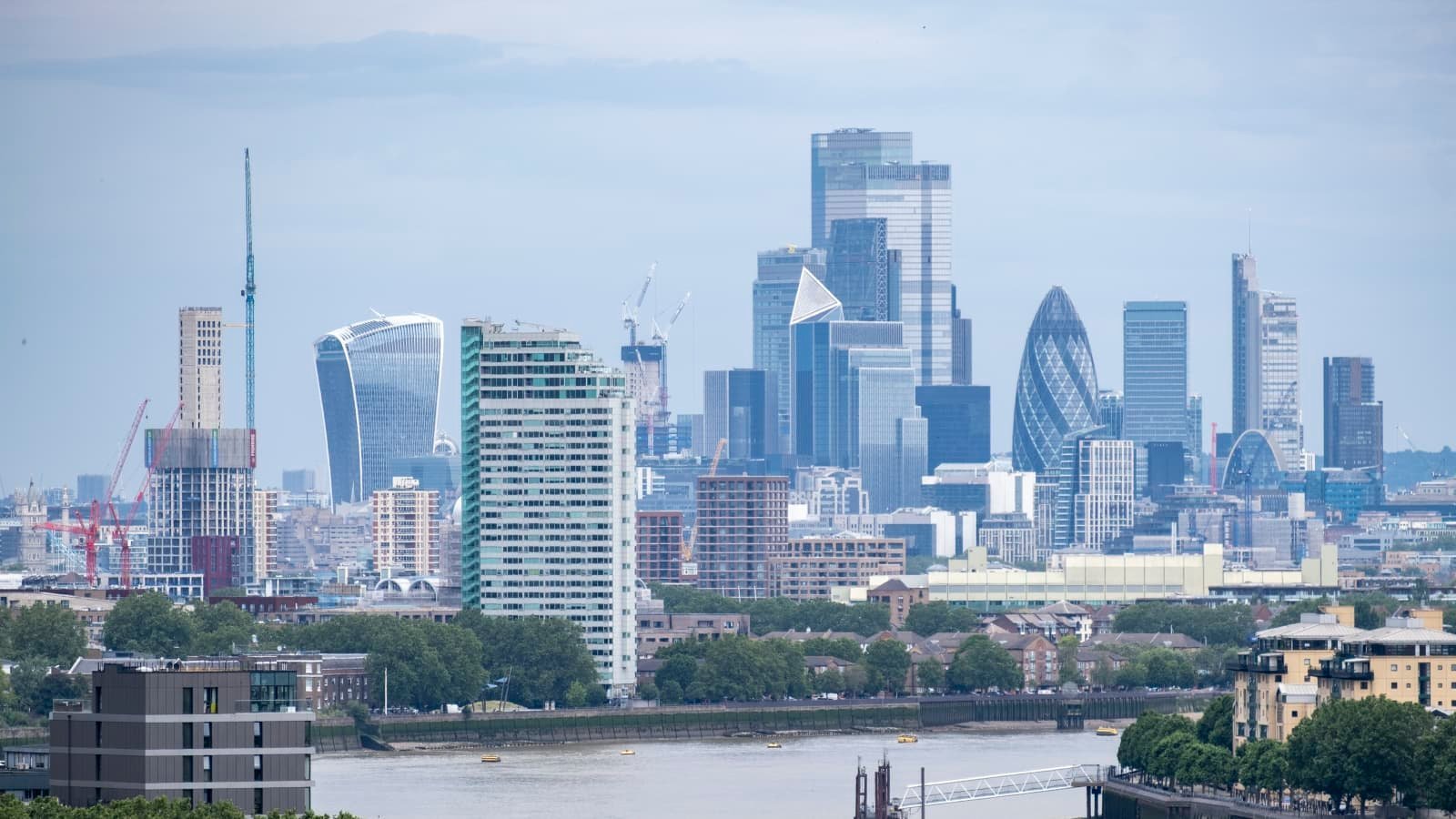
Goldman Sachs announced an upward adjustment to its gross domestic product (GDP) forecasts for the UK, increasing its estimates by 0.1 percentage points for both 2025 and 2026. The investment bank now expects the UK economy to grow by 1.6% in 2025 and 1.5% in 2026. This revision reflects confidence in Labour’s fiscal policies, anticipated to boost demand growth in the near term.
According to Goldman Sachs economists, “Reforms to the planning system could boost housebuilding and productivity; higher public sector investment could lift potential output; and closer trade ties with the EU could mitigate some of the costs of Brexit.” However, they also noted potential risks, such as increased taxation affecting investment incentives and Labour’s commitment to reducing net migration impacting labor supply.
Market Reaction
Following the election results, the UK stock market showed a positive response. By 10:30 a.m. local time on Friday, the FTSE 100 had risen by 0.29%. The FTSE 350 household goods and home construction index saw a significant increase of 3.81%. Major companies in the sector experienced notable gains: Persimmon shares climbed 4.65%, Taylor Wimpey rose 4.2%, Barratt Developments increased by 3.45%, and Bellway moved up by 2.93%.
Outgoing Prime Minister Rishi Sunak conceded defeat early Friday morning, paving the way for Keir Starmer, leader of the Labour Party, to assume the role of Prime Minister. This change in leadership is expected to bring substantial policy shifts.
Analyst Insights
JPMorgan also weighed in on the election outcome, noting that Labour’s plans to relax planning regulations and implement other reforms “fairly quickly” could stimulate growth, although the impact might be modest and gradual. “This could spur growth to some degree, but the magnitude is likely to be small and take time to occur,” JPMorgan stated.
Looking Ahead
The Labour victory has prompted discussions about the UK’s economic future, with a focus on the potential impacts of increased public sector investment and enhanced trade relations with the European Union. These measures could help address some of the economic challenges posed by Brexit and lay the groundwork for sustained growth.
As the UK transitions under new leadership, the implementation of Labour’s policies and their effects on the economy will be closely monitored. For now, financial markets reflect a cautious optimism and a renewed sense of opportunity.
photo source: Google
By: Montel Kamau
Serrari Financial Analyst
8th July, 2024