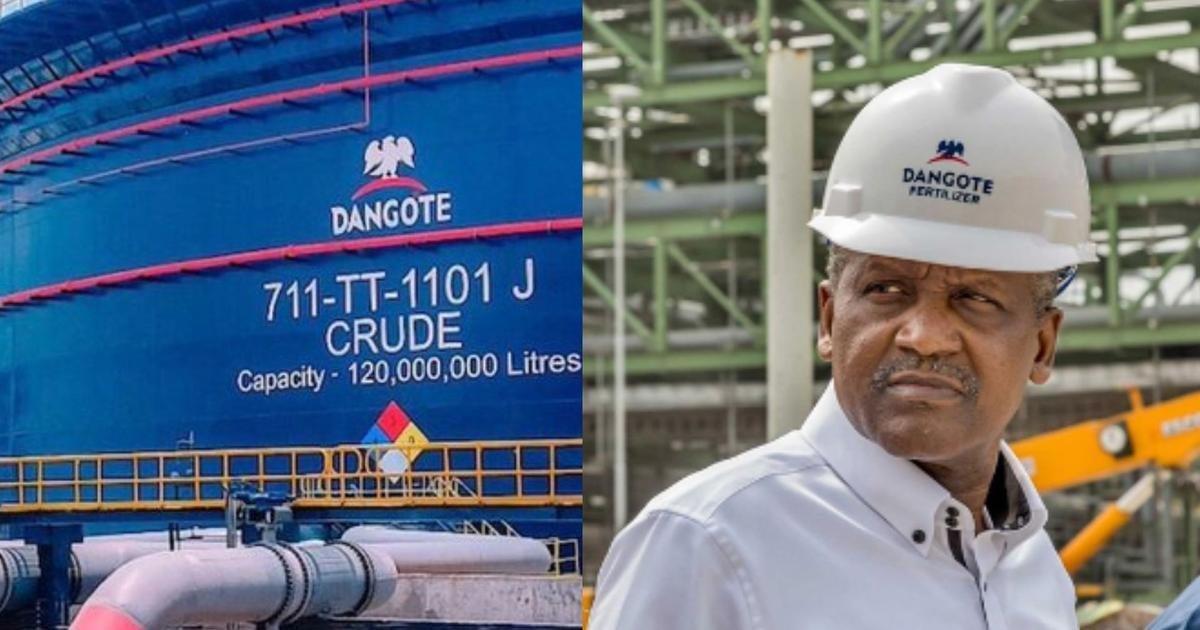
The recently inaugurated Dangote Petroleum Refinery, a $20 billion venture by Africa’s richest man Aliko Dangote, is significantly increasing its gasoil exports to West Africa, marking a notable shift in the region’s energy dynamics.
In May, the refinery’s gasoil exports surged to nearly 100,000 barrels per day (bpd), almost double the exports from April, according to data from analytics firm Kpler. Most of these exports were directed to neighboring West African countries, with some reaching as far as Spain.
This increase in gasoil exports has impacted European refiners, who have seen their market share in West Africa diminish. EU and UK gasoil exports to the region dropped to a four-year low of 29,000 bpd in May, while Russian exports fell to an eight-month low of 87,000 bpd. “The refinery has changed the balances in West Africa,” noted a European distillates trading source, highlighting the broader market implications.
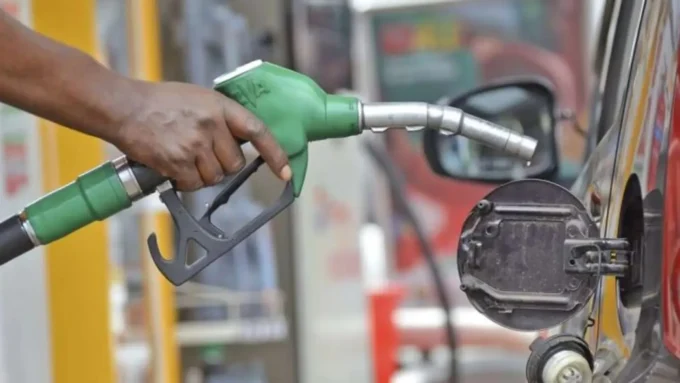
Currently, the Dangote refinery is producing high-sulphur gasoil with a sulphur content ranging between 800-1,300 parts per million (ppm), exceeding Nigeria’s 50 ppm limit set by the 2021 oil law and the sub-regional ECOWAS standards adopted in 2020. However, the Nigerian regulator permitted gasoil above 200 ppm to be sold locally until June 2024 to allow time for local refineries and importers to meet the new standards.
Despite producing high-sulphur gasoil, the refinery’s products are in demand in regions with more lenient fuel standards, especially as European countries tighten regulations on high-sulphur gasoil exports. Davakumar Edwin, an executive at the Dangote Refinery, expressed confidence that the refinery would soon meet the new standards, stating, “We have commissioned the equipment and it would be done within two weeks.”
Preliminary data for June indicates that while gasoil volumes have decreased, total oil product exports, including fuel oil, naphtha, and jet fuel, remain high at 225,000 bpd. The Dangote refinery’s expansion into the West African market not only strengthens Nigeria’s position in the regional oil industry but also underscores the ongoing challenges and opportunities in meeting environmental standards. As the refinery works towards producing cleaner fuels, its influence on both regional and global oil markets is set to grow.
photo source: Google
By: Montel Kamau
Serrari Financial Analyst
2nd July, 2024