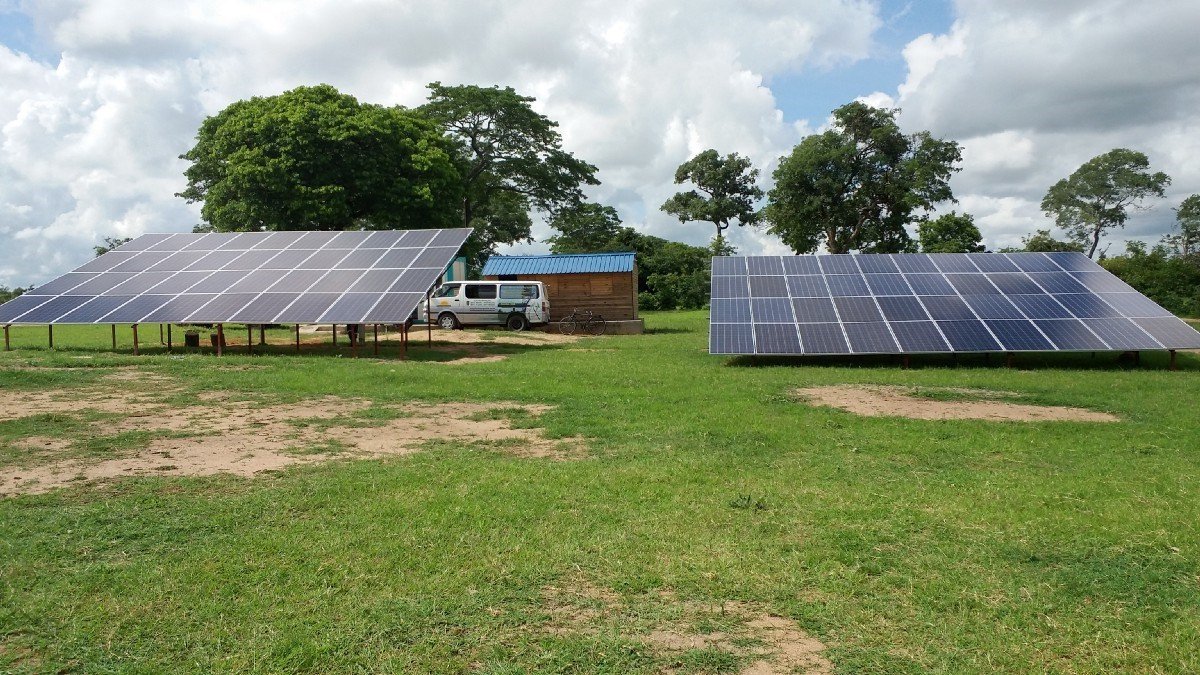
Africa will need $240 billion annually by 2030 to address its growing energy demands, according to a recent report by the International Energy Agency (IEA). The report, titled “Clean Energy Investment for Development in Africa,” underscores the urgent necessity of substantial investment in clean energy projects to alleviate the continent’s energy crisis.
Current Energy Landscape
Africa currently faces significant energy challenges. Despite its vast energy resources, the continent receives only about 3% of global energy investment. As a result, approximately 600 million Africans live without electricity, and over 1 billion people depend on traditional, inefficient, and often hazardous cooking methods.
Key Investment Areas
To meet the climate and development goals set by African governments, the IEA report identifies crucial investment areas. These include expanding energy access, enhancing the power sector, and supporting emerging industries such as critical minerals and clean energy technology manufacturing. Notably, around 75% of the required investments must focus on clean energy.
Global Support and Initiatives
The report highlights the importance of international cooperation in addressing Africa’s energy needs. It supports the “Energy for Growth in Africa” initiative, launched by Italy’s G7 Presidency, which aims to build a strong pipeline of bankable clean energy projects and improve access to financing. This initiative emphasizes technical assistance and capacity building to ensure the successful implementation of energy projects.
Financial Barriers and Solutions
A major challenge identified by the IEA is the financial barrier that hinders investment in Africa’s energy sector. Overcoming these barriers will require coordinated efforts to increase financial commitments and improve the financial infrastructure necessary to support large-scale, sustainable energy projects.
Broader Implications
Developing Africa’s energy infrastructure is crucial not only for meeting energy demands but also for driving economic growth and improving living standards. Reliable and clean energy access is fundamental to achieving broader developmental goals, including advancements in education, healthcare, and economic stability.
Conclusion
The IEA’s call for $240 billion in annual energy investments by 2030 highlights the significant task ahead. However, with coordinated global efforts and strategic investments, Africa can address its energy challenges and pave the way for a sustainable and prosperous future. It is imperative that both the international community and African governments work together to unlock the continent’s vast energy potential.
Photo source: Google
By: Montel Kamau
Serrari Financial Analyst
19th June, 2024