
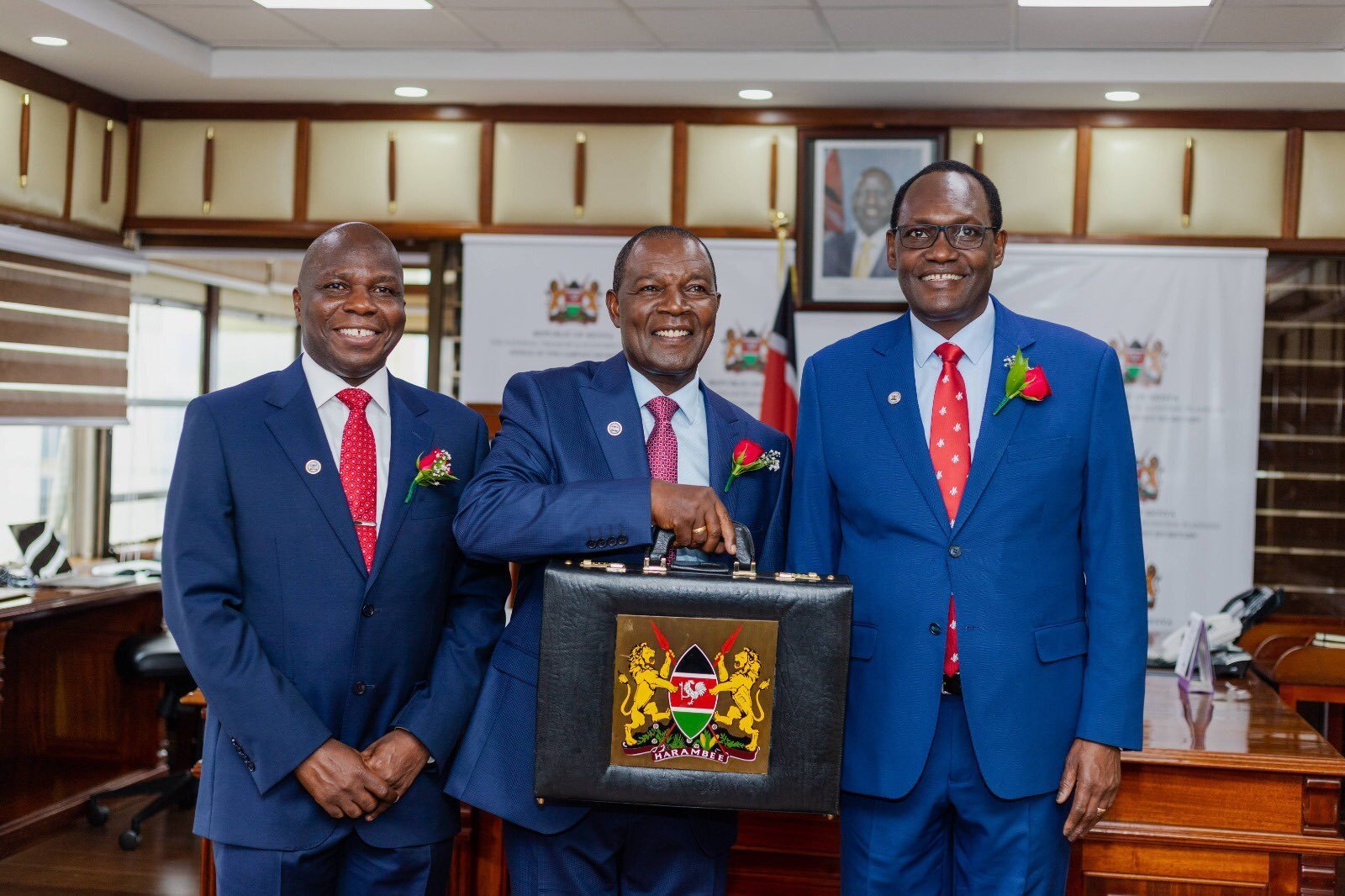
President William Ruto’s administration has unveiled the budget for the 2024-25 fiscal year, signaling strategic shifts in key sectors crucial to Kenya’s economy and societal well-being.
Education Investments
The administration has prioritized education with an increased budget of Sh656.6 billion, aimed at fostering skills development and upgrading junior secondary school teachers to permanent status. However, allocations for free primary and day secondary education have been reduced by Sh6.9 billion to Sh71 billion, potentially affecting institutions and learners. Similarly, funding for the school feeding program has decreased to Sh3 billion from Sh4.9 billion.
Health Sector Challenges
In contrast, the health sector faces budget cuts amounting to Sh14.2 billion, reducing allocations to Sh127 billion. This reduction could impact Universal Health Coverage efforts and service delivery, amidst ongoing challenges such as delayed salaries and healthcare strikes at the county level. Despite this, specific allocations include Sh4.2 billion for Universal Health Coverage coordination and Sh4.6 billion for specialized medical equipment, along with provisions for free maternity healthcare and medical cover for vulnerable groups.
Boosting Agriculture for Food Security
Agriculture has received a substantial boost with an allocation of Sh84.9 billion, up from Sh49.9 billion. This investment aims to enhance food security through initiatives like a doubled Sh10.0 billion fertiliser subsidy program and funding for small-scale irrigation, value-addition projects, and youth and women empowerment in agriculture. The sector, which contributes significantly to GDP and employment, is expected to stabilize food prices and support economic growth.
Social Protection and Economic Support
The budget also emphasizes social protection, allocating Sh31.3 billion for initiatives such as cash transfers to elderly persons, orphans, vulnerable children, and individuals with severe disabilities. Additionally, the Hustler Fund, with an allocation of Sh5 billion, aims to support small businesses and individuals, contributing to economic resilience.
Tax Measures and Economic Outlook
Concerns linger over proposed tax measures, which could potentially increase the cost of living by affecting basic commodities and essential services. Despite these challenges, the government anticipates a robust economic growth rate of 5.5% in 2024, bolstered by a resilient services sector and favorable global commodity prices. The stable macroeconomic environment, with inflation declining to 5.1% in May 2024 from a peak of 9.6% in October 2022, provides a positive backdrop for economic prospects.
Conclusion
As Kenya prepares to implement its 2024-25 budget, stakeholders are closely monitoring the implications of these strategic spending decisions. Balancing fiscal prudence with socio-economic impact will be critical to achieving sustainable development and addressing the diverse needs of Kenyan citizens.
Photo Source: Google
By: Montel Kamau
Serrari Financial Analyst
18th June, 2024