The surge in transportation costs in Nigeria is significantly driving up commodity prices, affecting the daily lives of citizens. The country’s reliance on land transport for haulage, coupled with the recent removal of fuel subsidies, has led to a sharp increase in the cost of moving goods.
Paul Kyan, a transporter, noted a dramatic rise in expenses. “Transporting goods from Makurdi to Abuja used to cost between N50,000 to N60,000, but now it’s at least N150,000,” Kyan explained. The cost varies depending on the type of goods being transported, with food products particularly affected.
Another transporter, Audu Isah, highlighted the impact of fuel price increases. “I spend over N50,000 on fuel just from Kaduna to Abuja. This high fuel cost inevitably raises the price for transporting goods,” he said.
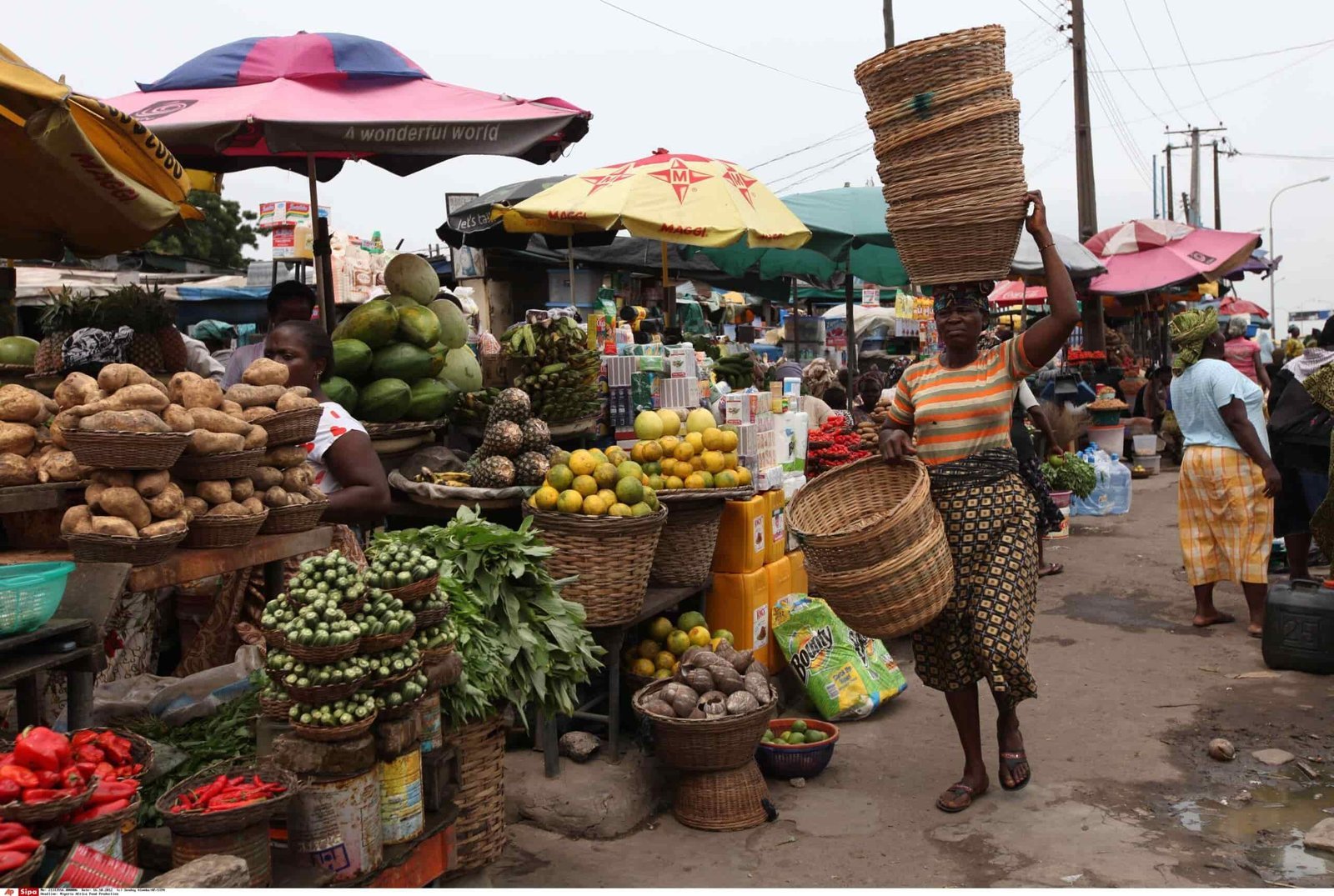
Traders are also feeling the pinch. Chineye Okafor, a trader at Karu Market, described the strain on businesses. “Transporting goods between states is very expensive. To cover these costs, we have to increase our prices, which affects consumers,” she explained.
In response, Nigeria’s Minister of Transportation, Senator Said Alkali, is working on long-term solutions. During a Policy Dialogue on Transportation in Kano, he emphasized the need for an integrated transport policy. “We aim for an efficient, competitive transportation system that meets the needs of our growing economy,” Alkali stated.
Efforts are underway to improve Nigeria’s rail infrastructure. The Minister recently initiated freight services by railway from Dala Dry Port in Kano to the seaport in Lagos. “By fixing the narrow gauge, we ensure freight service from Lagos to Kano without disrupting standard gauge construction,” he added.
Despite these initiatives, high fuel costs remain a major hurdle. The Federal Competition and Consumer Protection Commission (FCCPC) conducted market surveys in Abuja and neighboring states, confirming that rising transportation costs are a key factor in price hikes. The findings indicated that these increases are a natural response to market forces influenced by government policies.
As land transportation continues to dominate the haulage sector, Nigeria may see persistent commodity price inflation until the transport reforms take full effect. While the expansion of rail lines offers hope for a more sustainable transport system, the current high costs pose challenges for both businesses and consumers.
photo source: Google
By: Montel Kamau
Serrari Financial Analyst
11th June, 2024