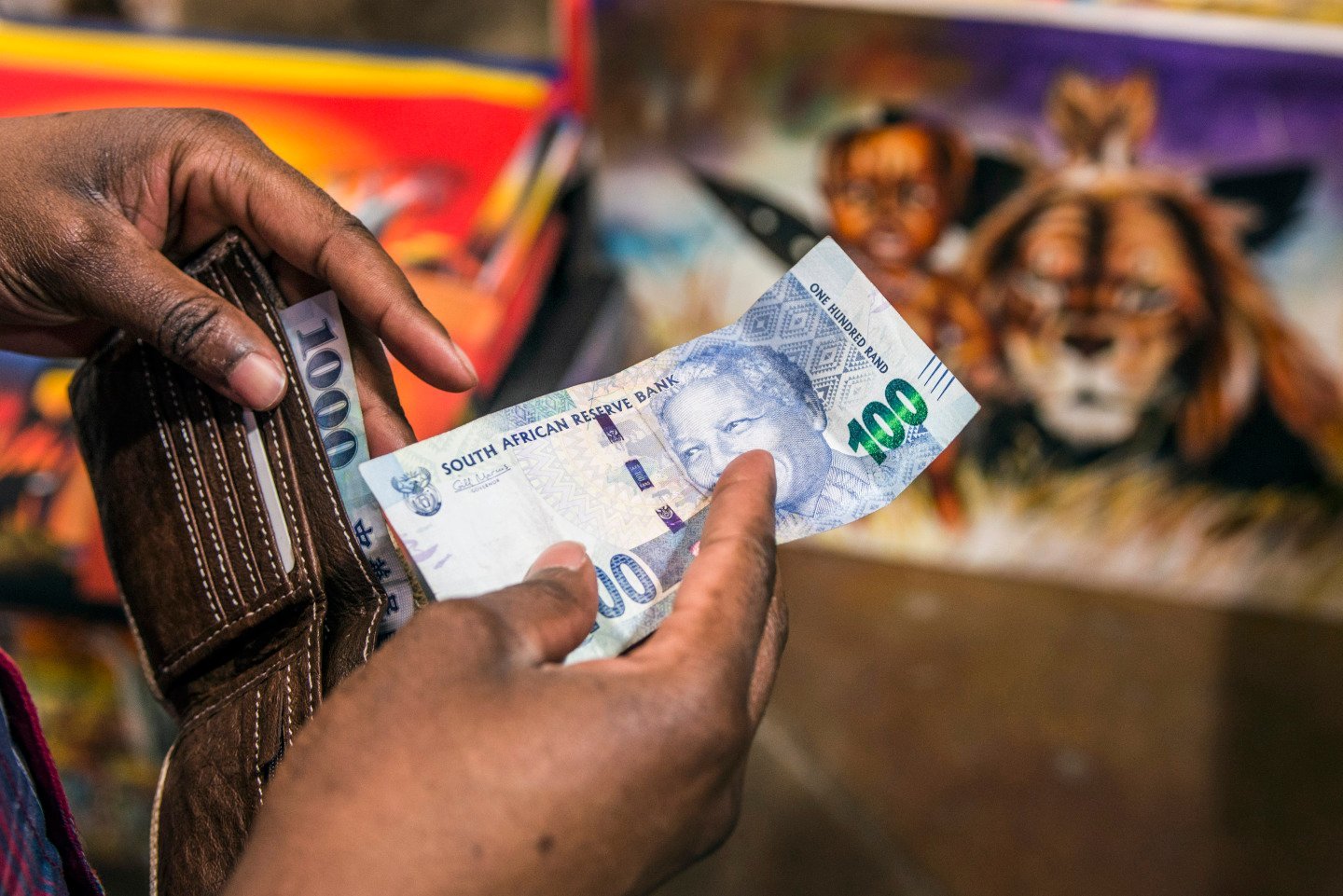
By: South Africa’s headline consumer inflation eased for the second consecutive month in April, providing some respite for the nation’s economy. Statistics South Africa reported on Wednesday that the inflation rate declined to 5.2% year-on-year, down slightly from 5.3% in March.
On a monthly basis, inflation was recorded at 0.3% in April, a notable decrease from the 0.8% observed in the previous month. This downward trend indicates a gradual stabilization of consumer prices, although economic challenges persist.
The South African Reserve Bank (SARB) has maintained its main interest rate since May 2023, aiming to steer inflation towards the midpoint of its 3% to 6% target range. The central bank has acknowledged that achieving the 4.5% inflation goal will be a gradual and potentially uneven process due to various economic setbacks.
“The slowdown in inflation is encouraging, but vigilance is necessary,” said Sarah Johnson, an economist at Cape Town University. “The central bank’s consistent approach underscores a clear strategy, yet the journey ahead is likely to encounter obstacles.”
This modest improvement in the inflation rate occurs amidst South Africa’s broader economic struggles, including high unemployment and slow growth. Despite these challenges, recent months have shown signs of resilience, offering a glimmer of hope for recovery.
Johannesburg, a city known for its dynamic economic activity and as a host of the 2010 FIFA World Cup, symbolizes South Africa’s potential for growth. As inflation moderates, the emphasis remains on implementing sustainable economic policies to ensure long-term stability.
Looking forward, the central bank’s policies and external economic factors will be crucial in shaping South Africa’s financial future. For now, the easing of inflation provides cautious optimism in the face of ongoing economic difficulties.
Photo source: Google
Montel Kamau
Serrari Financial Analyst
22nd May, 2024