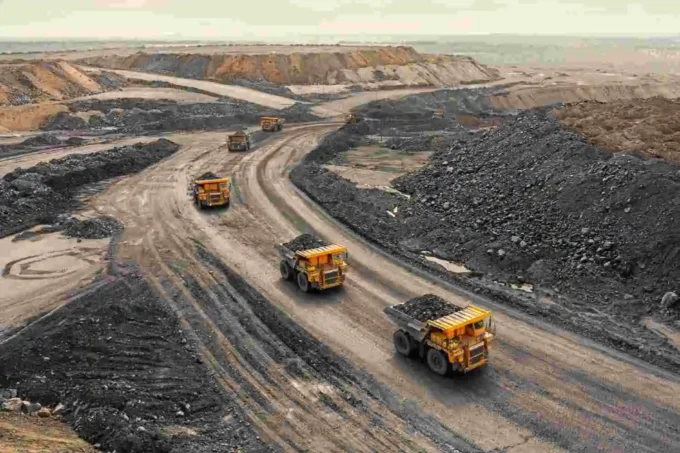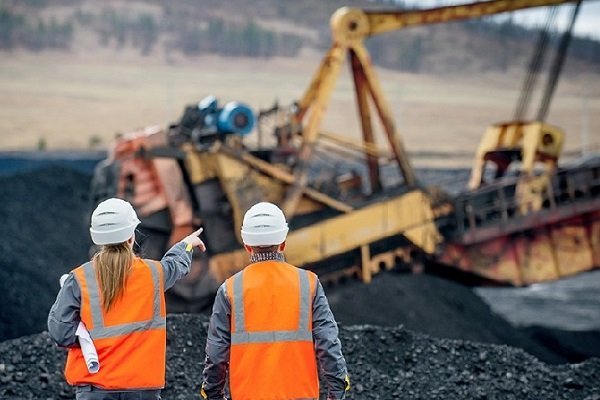
The International Energy Agency’s (IEA) Global Critical Minerals Outlook 2024 forecasts that the combined market size of essential energy transition minerals will more than double, reaching approximately $770 billion by 2040.
Investment Needs and Market Dynamics
The report emphasizes the necessity of substantial additional investments to meet global energy and climate goals. Minerals such as lithium, copper, nickel, cobalt, graphite, and rare earth elements are essential for the production of technologies like electric vehicles, batteries, and solar panels.
In recent years, the prices of these critical minerals have fluctuated significantly. After steep increases, 2023 saw prices fall sharply to pre-pandemic levels. Lithium prices dropped by 75%, while cobalt, nickel, and graphite fell between 30% and 45%. These declines, driven by increased global supply, have helped reduce battery prices by 14%, improving affordability for consumers.
However, the lower prices have also posed challenges for new investments. In 2023, investment in critical minerals mining grew by 10%, and exploration spending rose by 15%, but these increases were slower compared to 2022. This trend highlights the potential risk of supply shortages if investment does not keep pace with growing demand from the clean energy sector.
Supply Gaps and Geopolitical Considerations
The report’s analysis indicates that announced projects will only meet 70% of the copper and 50% of the lithium requirements by 2035 if countries achieve their climate goals. While the outlook for other minerals appears more balanced, this is contingent on the successful implementation of all announced projects.
Geopolitical factors also play a significant role. The report notes China’s strong position in the refining and processing of critical minerals, which could pose risks to supply chain security. Diversifying supply sources and investing in alternative suppliers are crucial steps to mitigate these risks.
Statements from IEA Leadership
IEA Executive Director Fatih Birol highlighted the importance of securing a reliable supply of critical minerals for the clean energy transition. “The world’s appetite for technologies such as solar panels, electric cars, and batteries is growing fast—but we cannot satisfy it without secure and sustainable access to critical minerals,” he said.
Conclusion
As the global energy landscape shifts towards cleaner technologies, ensuring a stable supply of critical minerals is essential for meeting climate targets and maintaining energy security. The Global Critical Minerals Outlook 2024 provides a comprehensive overview of the challenges and opportunities ahead, stressing the importance of investment and supply chain diversification in achieving a successful energy transition.
photo source: Google
By: Montel Kamau
Serrari Financial Analyst
21st May, 2024