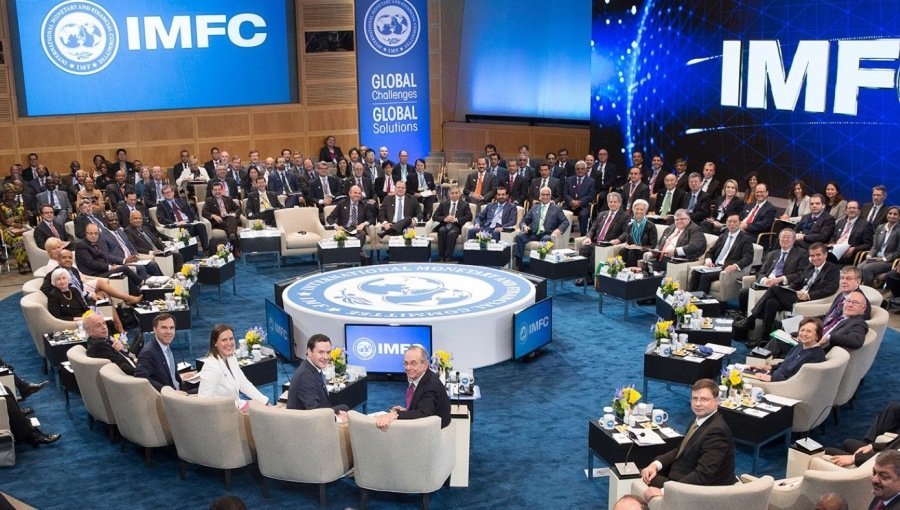
The International Monetary Fund (IMF) has approved a new framework allowing its members to allocate Special Drawing Rights (SDRs) towards hybrid capital bonds issued by multilateral development banks (MDBs). This strategic move aims to enhance the lending capacity of MDBs, potentially unlocking up to $80 billion for critical development projects.
Hybrid bonds, which blend debt and equity-like characteristics, enable MDBs to extend their core capital more effectively. This financial innovation is anticipated to amplify the impact of each dollar of SDRs into four dollars of MDB lending, providing a cost-efficient method to finance initiatives that boost climate resilience, promote economic growth, and alleviate poverty in developing countries.
Support from Key Development Banks
The Inter-American Development Bank (IDB) and the African Development Bank (AfDB), both proponents of this initiative, have welcomed the IMF’s decision. They highlighted that the new mechanism will significantly bolster their lending capabilities. “This development is transformative for our project pipeline,” remarked an IDB official.
The initiative has garnered strong international support, particularly from France, Japan, the United Kingdom, Spain, and the United Arab Emirates. The IDB and AfDB are currently working to secure commitments from member countries, with plans to make a formal announcement during the IMF and World Bank meetings in October.
Broadened Utility of SDRs
The IMF’s approval expands the functionality of SDRs, traditionally used as supplementary international reserve assets. With a cumulative limit set at $20 billion to manage liquidity risks, the IMF will review the program once contributions surpass $13.2 billion or after two years, whichever comes first.
Previously, IMF members could use SDRs for various purposes, including settling obligations, loans, and transfers. The introduction of hybrid capital instruments adds a new dimension, increasing the attractiveness of SDRs as a versatile reserve asset.
Addressing Global Challenges
This decision comes at a pivotal time when international financial institutions are under pressure to mobilize more resources to tackle global issues such as climate change and food security. By facilitating the issuance of new green and sustainable bonds, the IMF’s move supports global efforts toward sustainable development and environmental protection.
A New Financial Landscape
The IMF’s decision to allow SDRs for hybrid capital bonds represents a significant step in leveraging existing financial resources for greater global impact. This initiative underscores the potential of innovative financial instruments to enhance the capacity of MDBs in addressing critical global challenges.
As the IDB and AfDB prepare to implement this initiative, the global financial community will be closely monitoring its progress. Success in this program could lead to further innovations in the use of international reserve assets, setting a new standard for global financial cooperation and development.
About the IMF
The International Monetary Fund (IMF) is an international organization headquartered in Washington, D.C., comprising 190 member countries. Its primary purpose is to ensure the stability of the international monetary system by providing financial assistance, policy advice, and technical support to its member nations.
About MDBs
Multilateral Development Banks (MDBs) are international financial institutions established by multiple countries to provide financial and technical assistance for economic development projects. The IDB and AfDB are key MDBs focused on promoting economic progress and social development in Latin America and Africa, respectively.
Photo source: Google
By: Montel Kamau
Serrari Financial Analyst
16th May, 2024