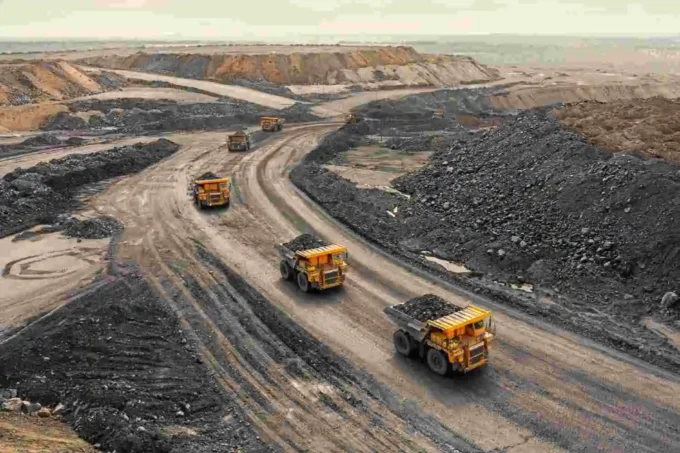

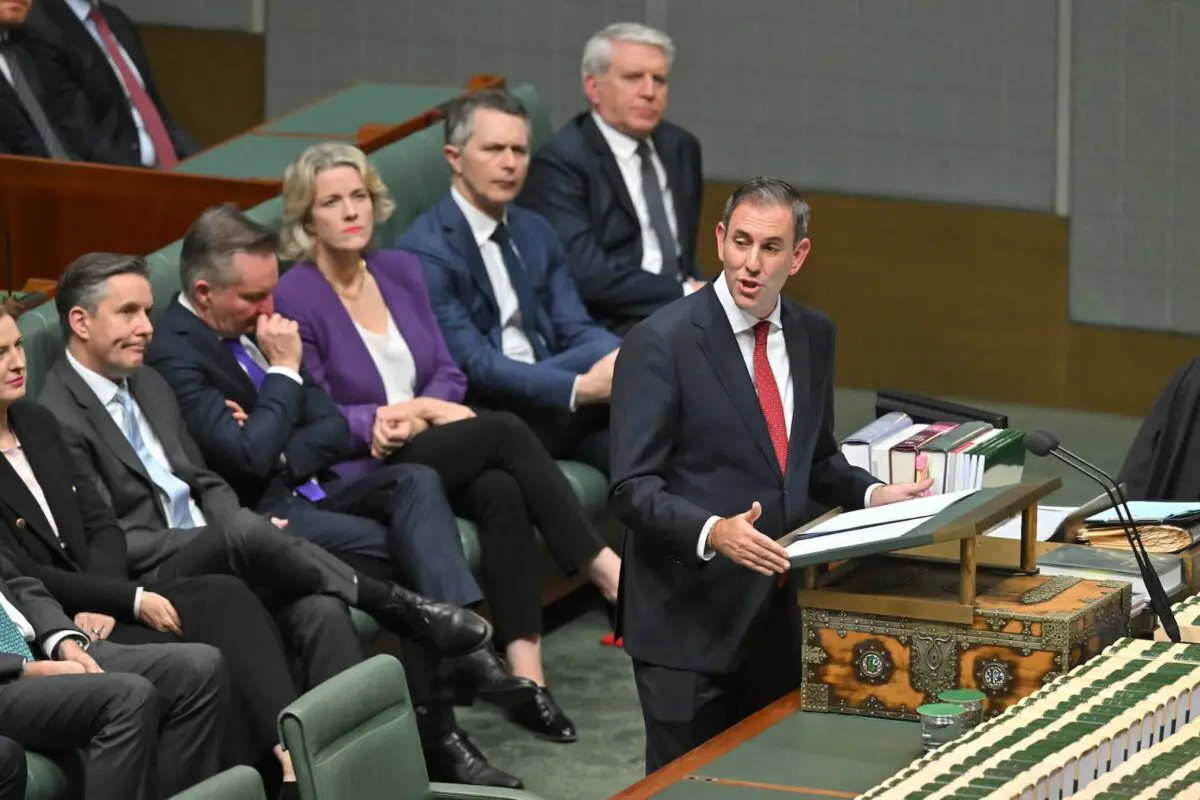
Australia has introduced a forward-thinking budget designed to position the country as a global leader in renewable energy, while addressing its dependence on mining and fossil fuels. Treasurer Jim Chalmers announced a projected budget surplus of US$6 billion (Aus$9 billion) for this year, driven by high iron ore and coal prices.
Renewable Energy Focus
Chalmers emphasized the importance of transitioning to clean energy. “The global energy transformation is a golden opportunity for Australia,” he said. “This budget invests in our renewable energy superpower ambitions to ensure we don’t miss out on new jobs and prosperity.”
The “Made in Australia” program, a key component of this vision, aims to boost domestic clean energy and advanced manufacturing industries with an investment of US$15 billion. This initiative supports solar panel manufacturing, low-carbon fuels, and tax incentives for critical minerals, inspired by the United States’ Inflation Reduction Act.
Economic Transition
Australia’s renewable energy potential is vast, thanks to its abundant sunshine, coastal winds, and rich mineral deposits. However, the economy has long relied on iron ore, coal, and natural gas exports. Last year, iron ore alone accounted for 18% of Australia’s exports.
Energy analyst Tim Buckley is optimistic about the budget’s potential to realize Australia’s renewable energy ambitions. “If we make the right choices, this plan could make the renewables dream a reality within the next decade,” Buckley said. He also emphasized the importance of developing domestic manufacturing to reduce reliance on imports and increase energy security.
Defense and Diplomacy
The budget includes significant defense spending, marking the largest overhaul in a generation. This includes a 30-year plan to manufacture nuclear-powered submarines under the AUKUS pact with the United States and the United Kingdom. Initial funding will help recruit and train a workforce for a domestic nuclear industry.
Additionally, the army will be equipped with new missiles and long-range strike weapons, and the navy will receive six Hunter class frigates and three Hobart class destroyers. Upgrades to military bases on Australia’s northern coast are planned to enhance defense capabilities in response to potential regional conflicts.
Australia’s renewed diplomatic efforts in the South Pacific will complement these military investments, including funding for land reclamation projects, undersea cables, and various infrastructure initiatives to counter China’s growing influence in the region.
Economic Outlook
While the budget celebrates the first consecutive surplus in almost two decades, a deficit of US$19 billion (Aus$28.3 billion) is projected for next year. However, the budget documents suggest a favorable outlook for inflation, which may return to the government’s target range sooner than expected later this year.
Australia’s latest budget represents a strategic shift towards renewable energy and advanced manufacturing, aiming to reduce reliance on fossil fuels and bolster economic resilience. As the country navigates this transition, its efforts to balance economic growth with environmental sustainability will be closely watched.
photo source: Google
By: Montel Kamau
Serrari Financial Analyst
15th May, 2024