In a move aimed at bolstering Nigeria’s informal sector, the Federal Government is set to introduce significant tax reforms. Mr. Taiwo Oyedele, chairing the Presidential Fiscal Policy and Tax Reforms Committee, unveiled this initiative during the committee’s closing session in Abuja.
The proposed reforms target the bulk of businesses in the informal economy, offering tax relief to 95 percent of them. Under this plan, businesses earning N25 million or less annually would be exempt from various taxes, including withholding tax and company income tax, fostering an environment conducive to growth.
Acknowledging the need for balance, Oyedele highlighted the intention to also tax the top five percent of the informal sector, the middle class, and the elite. This dual approach seeks fairness and sustainability in the fiscal policy framework.
To ensure compliance and transparency, Oyedele called for stakeholder cooperation in implementing the proposed fiscal and tax policy. Emphasizing accountability, he stressed the end of tax evasion practices.
The proposed reforms extend beyond mere exemptions. Oyedele emphasized the necessity of reviewing existing taxes, some entrenched in the constitution. The committee’s report will undergo legislative scrutiny for legal validation, ensuring its effectiveness and legitimacy.
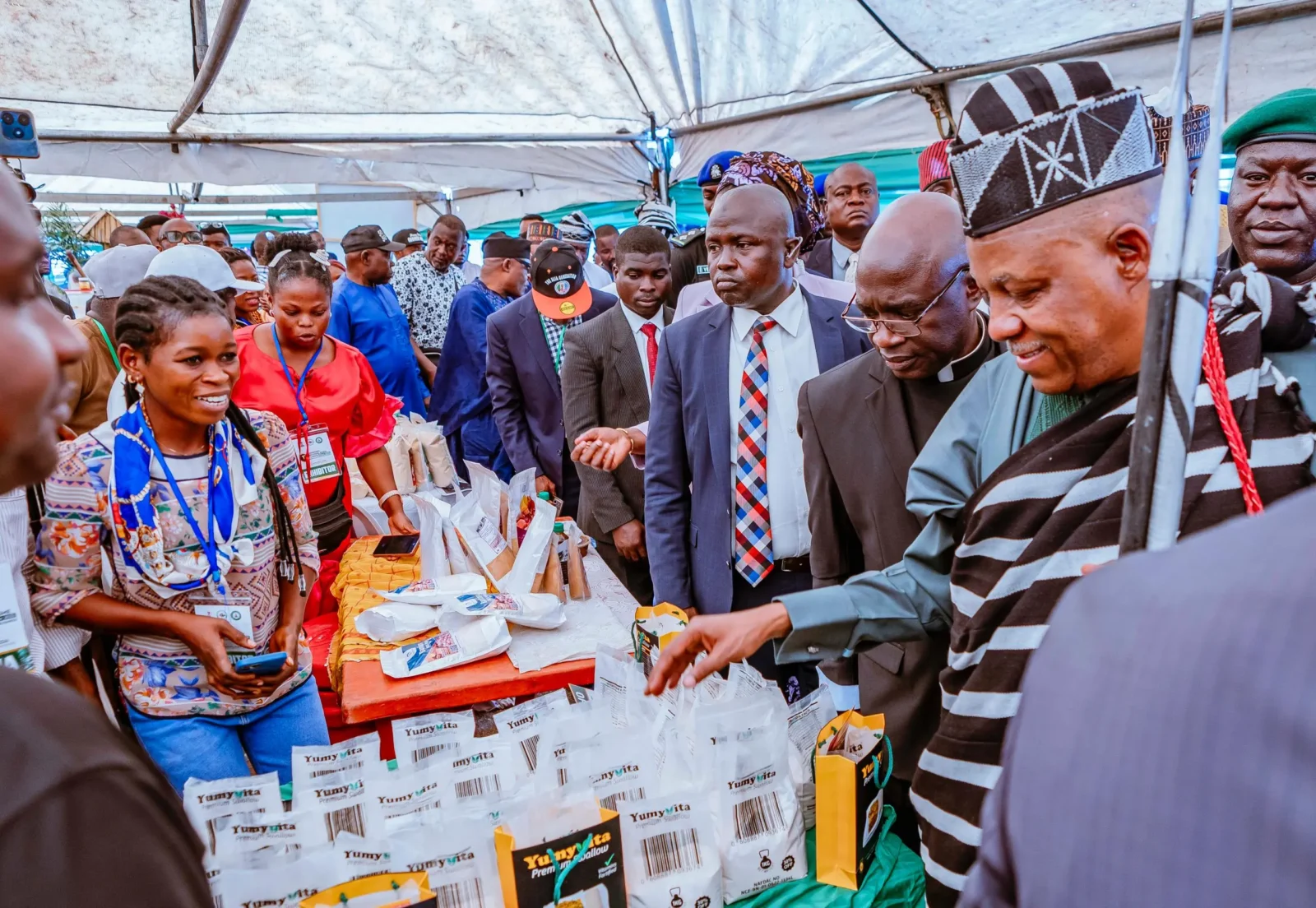
Vice President Kashim Shettima reiterated President Bola Tinubu’s commitment to enhancing revenue generation while maintaining an investment-friendly business environment. Shettima emphasized that the reforms aim to revitalize revenue generation without stifling any sector of the economy.
In summary, the proposed tax reforms signal proactive measures by the Nigerian government to stimulate economic growth, support entrepreneurship, and enhance overall citizen welfare. With cooperation from stakeholders, these reforms promise a more prosperous and equitable future for Nigeria.
Photo source: Google
By: Montel Kamau
Serrari Financial Analyst
14th May, 2024