Johannesburg, South Africa, faces an acute water crisis, leaving its residents struggling with severe shortages. Driven by scorching temperatures and neglected infrastructure, millions find themselves in desperate need of water.
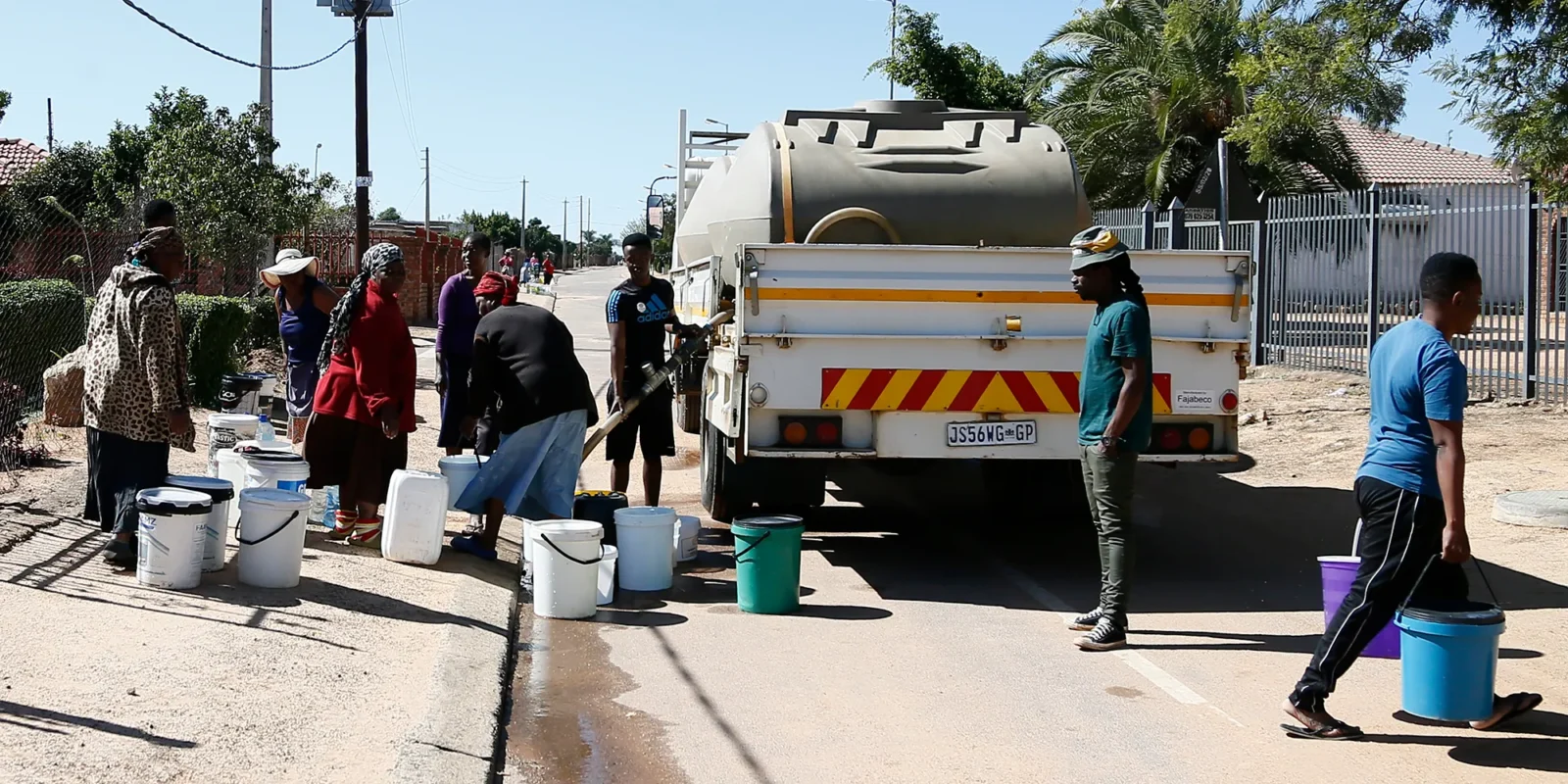
Over the past two weeks, residents, including Tsholofelo Moloi, have been queuing for water, relying on municipal tanker trucks for basic supplies. Dwindling reservoirs and crumbling infrastructure exacerbate the situation, raising concerns about the government’s response to the crisis.
The term “water shedding,” akin to “loadshedding” for electricity, describes the daily struggle to secure water. With a five-liter bottle priced at 25 rand ($1.30), financial strain compounds the difficulty, particularly in a country with high unemployment rates.
Water authorities issue urgent warnings, urging residents to conserve water to prevent a complete system collapse. Decades of neglect and mismanagement have fueled frustration, demanding accountability from authorities.
As protests intensify and frustrations rise, Johannesburg’s post-apartheid progress is overshadowed. Uncertainty looms as residents await relief, while water tankers struggle to meet demand amidst plummeting reservoir levels.
With World Water Day approaching, proactive measures are crucial. Johannesburg’s leadership faces a pivotal moment that will shape the city’s future and influence South Africa’s political landscape.
The water crisis in Johannesburg underscores the dire consequences of neglecting critical infrastructure. As residents endure daily hardships, the city’s leadership must address longstanding issues to navigate through this crisis and ensure a sustainable future.
photo source Google
By: Montel Kamau
Serrari Financial Analyst
21st March, 2024