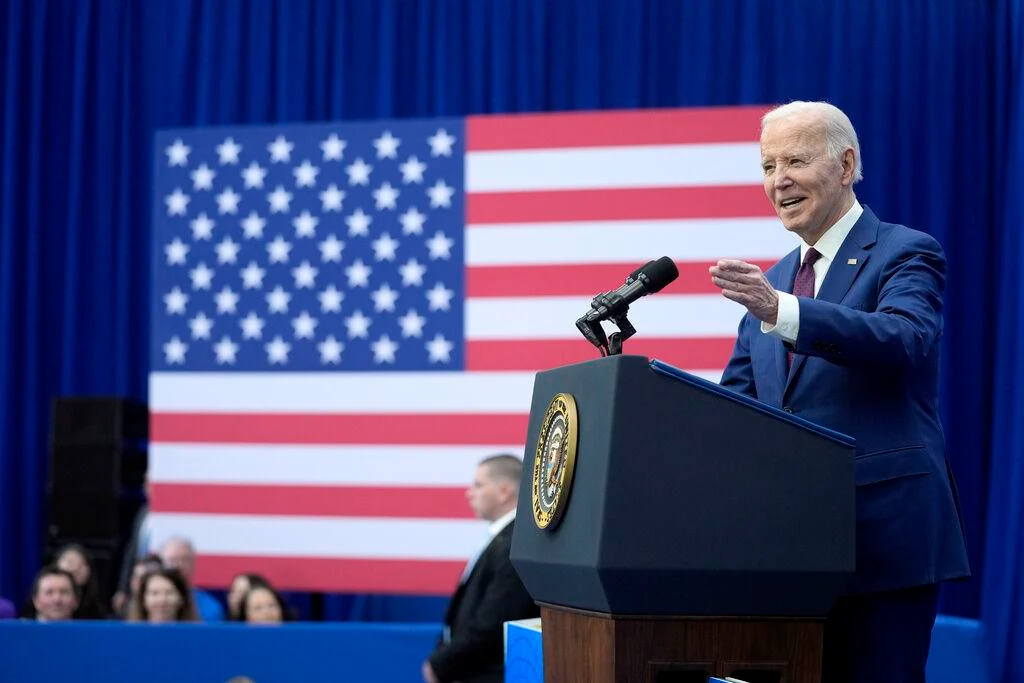
President Joe Biden has unveiled a comprehensive $7.3 trillion budget proposal, outlining a roadmap for economic revitalization and fiscal responsibility. The plan, aimed at securing a potential second term, focuses on targeted spending and tax reforms to address pressing national challenges.
Key elements of Biden’s budget for the fiscal year 2025 include raising the corporate income tax rate to 28% from 21%, implementing a minimum tax of 25% for individuals with wealth over $100 million, and negotiating lower prescription drug costs. The proposal also allocates funds for reinstating the child tax credit, enhancing childcare programs, investing in housing infrastructure, and introducing paid family leave.
However, Biden’s budget faces immediate opposition from Republican leaders, who criticize the proposed tax hikes and increased spending as reckless and fiscally irresponsible.
The unveiling of Biden’s budget comes amidst ongoing concerns about the nation’s economic trajectory, with recent polling indicating divided public sentiment on economic leadership. Meanwhile, the Trump campaign has reiterated its stance on economic principles, emphasizing tariff increases on imported goods and deregulation in the energy sector.
With escalating debt and partisan divides on fiscal policy, Biden’s proposal sets the stage for intense debates in the lead-up to the upcoming elections. As the battle for economic supremacy continues, the nation watches closely for the outcome of these crucial policy discussions.
photo source: Google
By: Montel Kamau
Serrari Financial Analyst
12th March, 2024