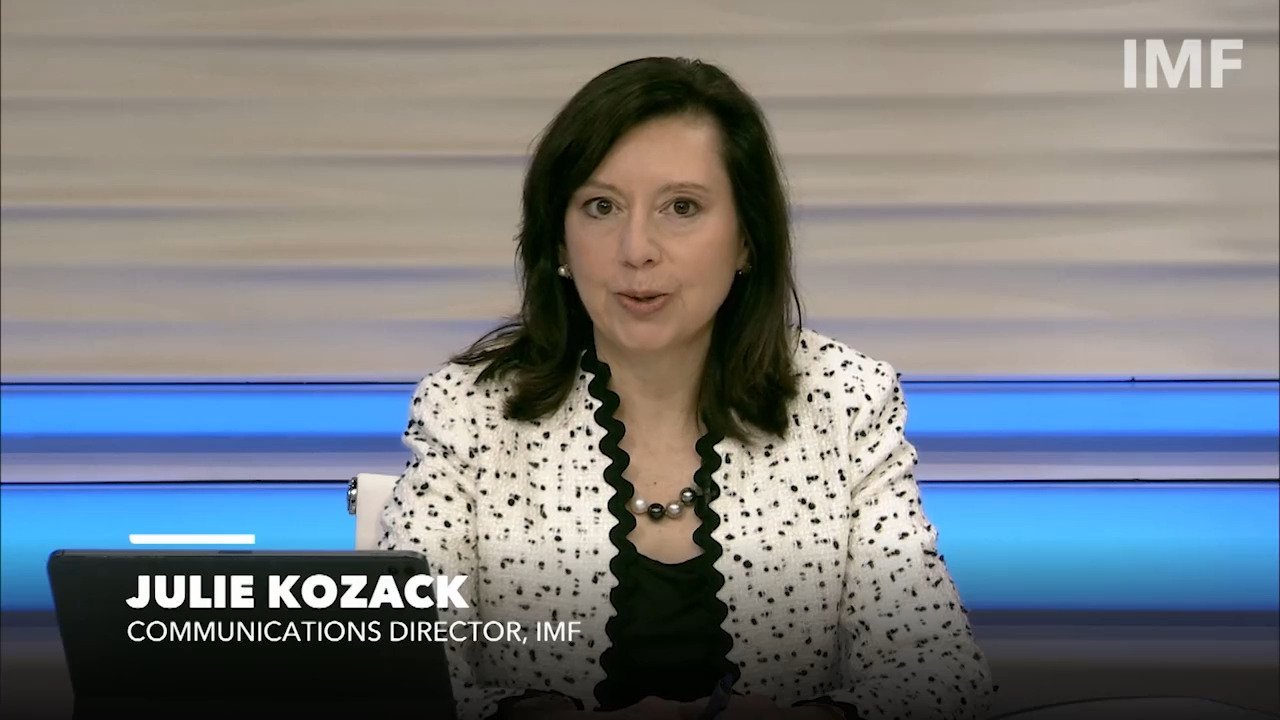
The International Monetary Fund (IMF) has allocated $120 million to Uganda as part of the Extended Credit Facility (ECF) program, aimed at aiding the nation’s economic revival in the aftermath of the Covid-19 pandemic.
This disbursement marks the fourth installment of support under the ECF arrangement, totaling $870 million since its commencement in 2021. Notably, the IMF’s assistance has contributed to Uganda’s economic rebound, with projections indicating a growth rate of 6% for the current fiscal year, followed by an anticipated 6.2% expansion in the next.
Key areas of focus for the funds include combating inflation, which is expected to decrease to 3.1% this year, and implementing fiscal measures to maintain a downward trajectory in public debt. Despite these positive developments, risks persist, including potential legislative impacts and external factors such as weather-related shocks and fuel price fluctuations.
In parallel, the European Union (EU) has pledged €218.5 million ($237.1 million) to Uganda, supporting initiatives ranging from green projects to women’s empowerment and agricultural development. This collaboration underscores the importance of international partnerships in fostering sustainable economic growth.
As Uganda navigates its recovery journey, sustained efforts in reform implementation and prudent fiscal management will be crucial in securing long-term resilience and prosperity for the nation.
photo source: Google
By: Montel Kamau
Serrari Financial Analyst
11th March, 2024