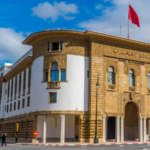

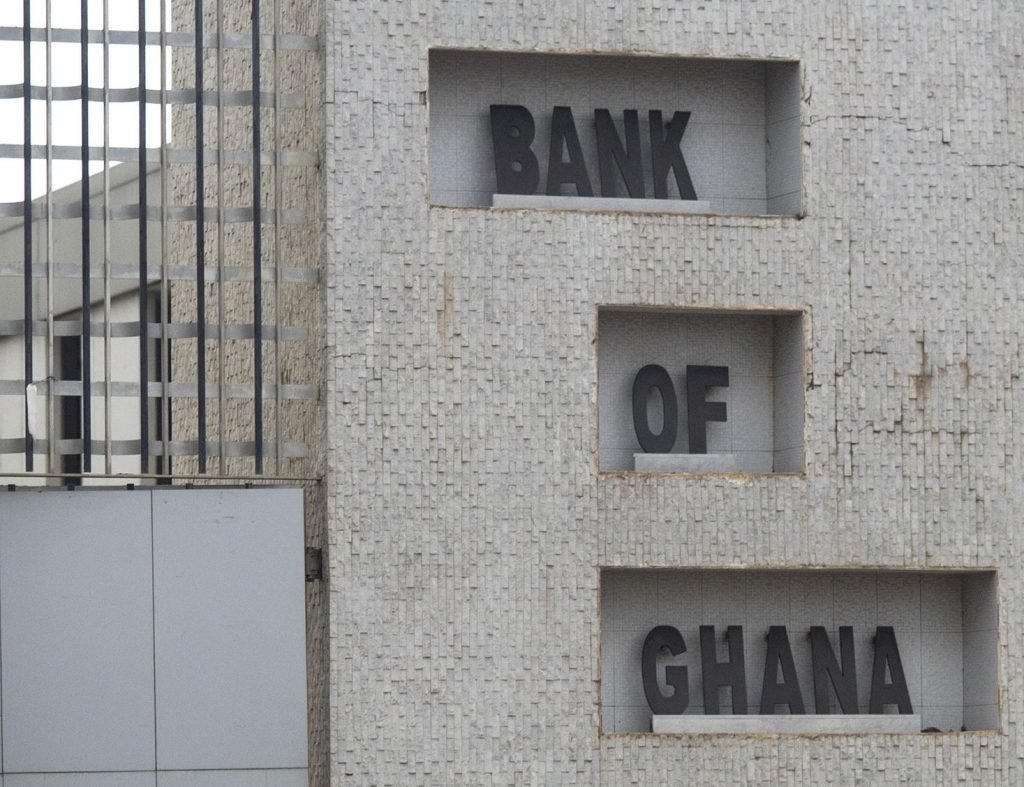
In a surprising move, the Bank of Ghana has decided to reduce its benchmark interest rate for the first time since 2021. The monetary policy committee, in a meeting on Monday, announced a cut from 30% to 29%, breaking a trend of rate stability that had been in place since September. This decision, contrary to the expectations of most analysts, comes as the central bank anticipates a continued slowdown in inflation while prioritizing economic support.
Annual inflation, a key factor in the decision-making process, saw a significant decline to a 21-month low of 23.2% in December, down from 26.4% the previous month.
Governor Ernest Addison, speaking at a news conference in the capital, Accra, stated, “The latest forecasts suggest that the disinflation process will continue, and headline inflation is expected to ease to around 13% to 17% by the end of 2024, before gradually trending back to within the medium-term target range of 6% to 10% by 2025.”
Despite the optimistic outlook, Governor Addison acknowledged potential risks to the inflation trajectory. He emphasized the importance of strict implementation of the 2024 budget and maintaining a tight monetary policy stance to sustain the disinflation process. The monetary policy committee recognizes the emerging economic recovery but sees the need to uphold a robust policy stance to consolidate the gains achieved in disinflation.
This move by the Bank of Ghana marks the first interest rate cut by an African central bank in the current year. The local currency, the cedi, experienced a slight decline to 12.31 per dollar following the announcement, while the nation’s dollar bonds maturing in 2032 rose 0.25 cents to 43.83 cents on the dollar.
The decision comes amid caution from the International Monetary Fund (IMF), which recently agreed to disburse a second tranche of $600 million to Ghana under the country’s three-year bailout program. The IMF has suggested that inflation remains too high, recommending a “sufficiently high monetary policy stance” to address the situation.
Ghana sought IMF assistance in July 2022 after its dollar bonds faced a plunge, and austerity measures failed to convince investors of its ability to meet debt obligations. Almost a year later, the IMF approved a $3 billion program, and Ghana is currently working on restructuring almost all of its $47 billion debt to ensure sustainability under the program. The nation has reached an in-principle deal with bilateral creditors and aims to secure an agreement with eurobond holders by the end of March.
By Delino Gayweh
Serrari Financial Analyst
January 29, 2023