Kenya is anticipating a surge in fuel and electricity costs as the Statute Law (Miscellaneous Amendments) Bill, 2023 proposes doubling the Energy and Petroleum Regulatory Authority’s (EPRA) levy from 0.5 percent to a maximum of 1 percent.
The amendment, presented by Majority Leader Kimani Ichung’wah, aims to enhance EPRA’s operational capacity, with potential consequences for consumers as the phrase “half of a (percent)” faces deletion.
Currently, consumers pay Ksh 0.25 per litre on petrol, diesel, and kerosene, with an additional Ksh 0.08 per unit of electricity as the EPRA Levy. These levies constitute a significant portion of the regulator’s annual revenues, amounting to Ksh1.51 billion ($9.9 million) in the financial year ending June 2021.
The petroleum levy recorded a 16.5 percent increase, reaching Ksh1.2 billion ($7.9 million), while the electricity levy decreased by 10 percent, generating Ksh 236 million ($1.55 million).
The proposed levy hike adds to existing challenges faced by consumers dealing with the high cost of fuel. Government intervention in the latest monthly review provided minimal relief, maintaining petrol prices and slightly reducing diesel and kerosene by Ksh2 per litre.
However, the modest relief is overshadowed by the overall trend. Kerosene, priced at Ksh 203.06 ($1.35) per litre, reflects a substantial increase of Ksh57.12 ($0.37) compared to November last year. Similarly, petrol and diesel prices have surged to a historic high of Ksh 217.36 ($1.43) and Ksh 203.47 ($1.33) per litre, respectively.
Adding to the financial strain, power prices remain elevated, following the Authority’s approval of new tariffs in April, leading to a maximum increase of 63 percent for some consumer categories. With the proposed levy hike, the financial challenges for Kenyan households are set to intensify, with higher fuel and electricity prices looming on the horizon.
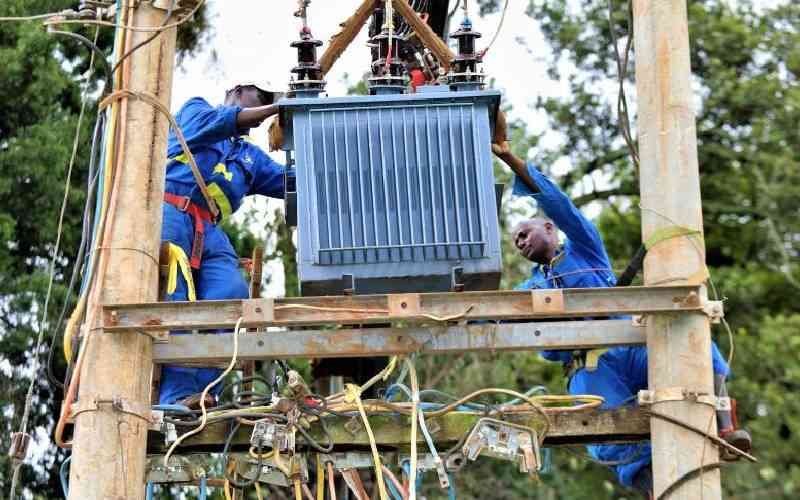
Photo ( Standard Media)
By: Montel Kamau
Serrari Financial Analyst
21st November, 2023