
Nigeria is bracing for a significant economic challenge, with KPMG’s latest report projecting a rise in inflation to 30% by the close of 2023. The primary driver behind this concerning forecast is the sustained weakness of the national currency, the naira.
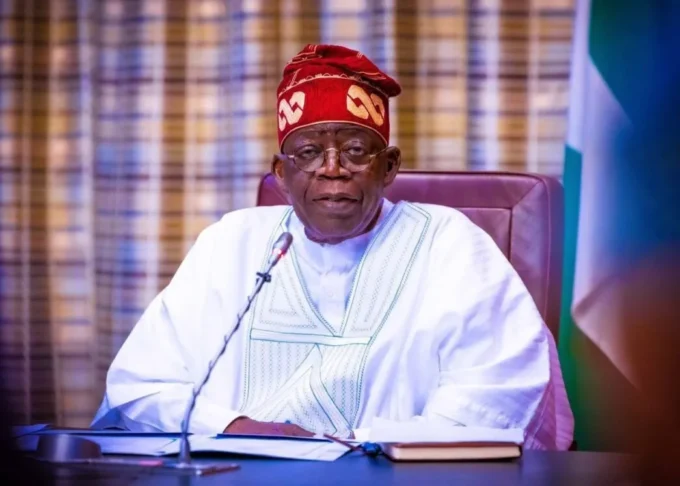
In September, inflation reached a two-decade high at 26.72%, setting the stage for heightened economic uncertainty. As the nation awaits the release of October’s inflation figures, attention is focused on the aftermath of President Bola Tinubu’s strategic decision to eliminate foreign exchange controls and a fuel subsidy.
Despite receiving positive feedback from markets and credit rating agencies, these policy changes have not shielded the naira, which has experienced a substantial 40% depreciation. This decline, contrary to initial expectations, has given rise to a cost of living crisis, overshadowing the perceived benefits of the reforms.
KPMG’s report underscores the likelihood of continued pressure on headline and food inflation due to the ongoing depreciation of the naira, resulting in increased production costs.
The report, titled ‘Macroeconomic Review H1 2023 & Outlook for H2 2023,’ extends its predictions beyond inflation, anticipating a dip in Nigeria’s GDP growth to 2.6% for 2023. This projection falls below both the World Bank’s revised forecast of 2.8% and the 3.1% growth achieved in the previous year. Lower crude oil output stands out as a contributing factor to this restrained economic growth.
The private sector is not exempt from the repercussions, with numerous companies expected to grapple with substantial foreign exchange losses, mirroring trends observed in the first half of the year. The removal of foreign exchange controls and fuel subsidies is poised to impact consumer demand negatively and increase the cost of doing business for the remainder of the year.
These economic challenges require careful navigation by policymakers to guide the nation towards sustainable growth. Stakeholders are keenly observing how the government addresses these complexities to ensure a resilient and stable economic future for Nigeria.
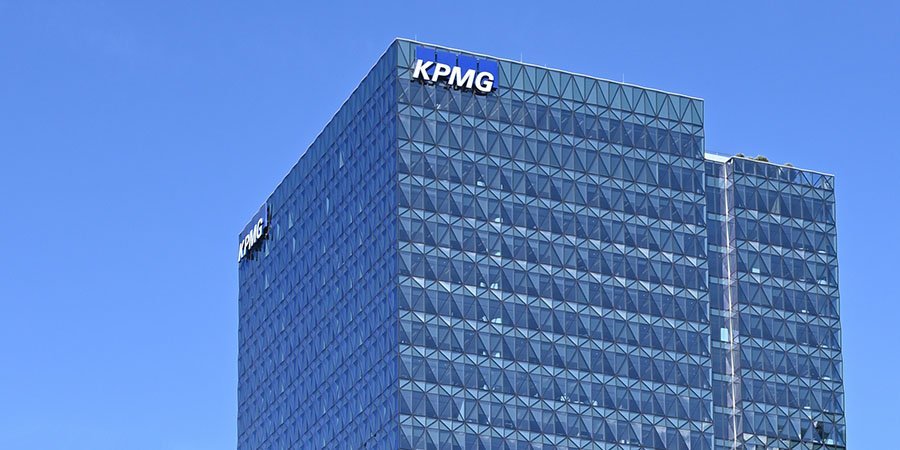
Photo (Consultancy.com.au)
By: Montel Kamau
Serrari Financial Analyst
14th November, 2023