
Buenos Aires, August 14, 2023 – Argentina’s currency and stock markets experienced mounting pressure as an unexpected turn of events unfolded in the country’s primary election. A far-right libertarian candidate, advocating for the abolition of the central bank and the implementation of a dollarized economy, emerged victorious, sending shockwaves through financial markets.
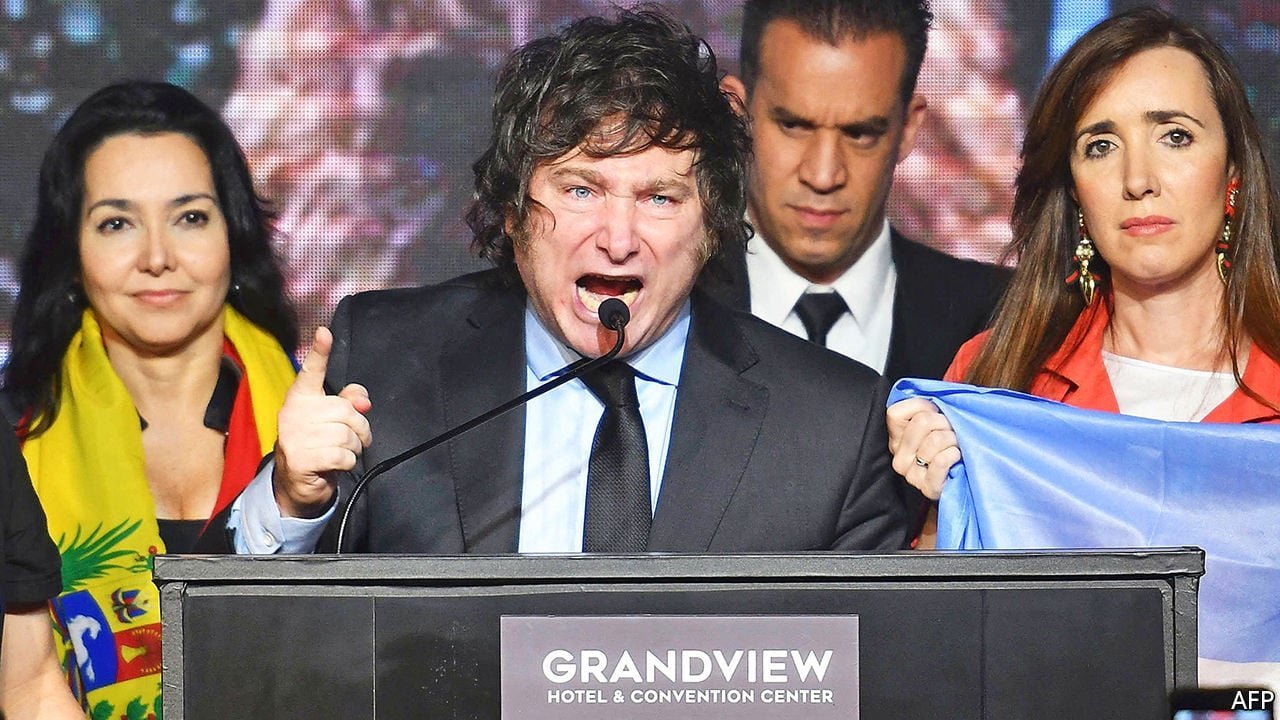
Javier Milei, an outsider with radical libertarian economic views, secured over 30% of the vote, catching both analysts and investors off-guard. His platform of dollarizing the economy and enacting significant spending cuts resonated with a substantial portion of the electorate, as demonstrated by the preliminary vote count of 90%. This unexpected outcome led to significant volatility in both bond and equity markets.
Market sentiments had been leaning towards more moderate candidates, whose performance proved lackluster during this primary election – considered a dress rehearsal for the upcoming national election in two months.
Sovereign dollar bonds faced a sharp decline, with the 2029 note leading the downward spiral, down by as much as 4 cents on the dollar, based on data from MarketAxess. The 2041 bond was trading at 29.75 cents on the dollar, while the 2046 bond traded at 28.35 cents on the dollar at 12:46 GMT. Overall, the country’s bonds experienced an approximate 10% drop early Monday.
Compounding the economic turmoil, Argentina’s central bank made the swift decision to devalue the official exchange rate of the peso by over 20%, resulting in a conversion rate of around 350 pesos per U.S. dollar. On the streets of Buenos Aires, the unofficial exchange rate reached approximately 600 pesos per dollar.
At the opening of the market, prices for Argentina’s most liquid dollar-denominated bonds plummeted by as much as 15%. However, they eventually stabilized to show a 6% to 7% decline.
Responding to the crisis, the central bank swiftly took measures to stabilize the situation. The official exchange rate was devalued by up to 18%, setting it at 350 pesos per dollar. Additionally, the bank raised interest rates by an astonishing 21 percentage points, bringing them to 118%, as it struggled to protect the country’s currency.
The shock outcome of the primary election injected a significant amount of uncertainty into the political landscape. This uncertainty, in turn, amplified the concerns of investors regarding Argentina’s already fragile economy. With inflation surpassing 115%, foreign exchange reserves dwindling dangerously, and the peso having lost over 50% of its value against the dollar in the past year, the economic challenges facing the nation have only deepened. Disturbingly, four out of ten Argentines find themselves living in poverty.
“The primary election result was a political earthquake,” commented Paul Greer, an emerging markets debt and foreign exchange portfolio manager at Fidelity International. “We’ve had a huge injection of uncertainty, and the market has undergone a repricing to reflect this new reality.”
As Argentina navigates the aftermath of this surprising election outcome, economists, analysts, and investors are left with a heightened sense of apprehension, wondering how these events will shape the nation’s economic future leading up to the crucial national election in October.
August 14, 2023
Delino Gayweh
Serrari Financial Analyst
photo source Google