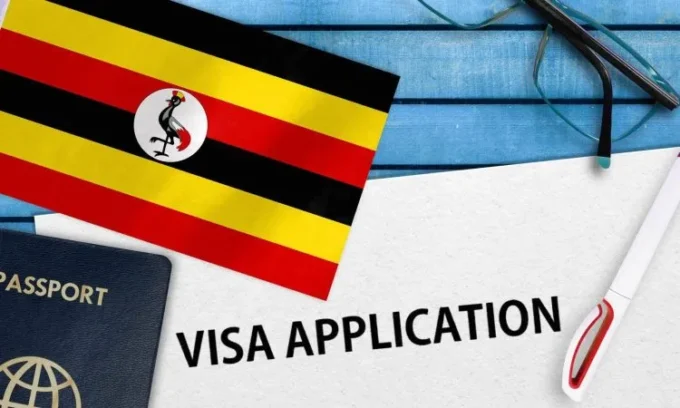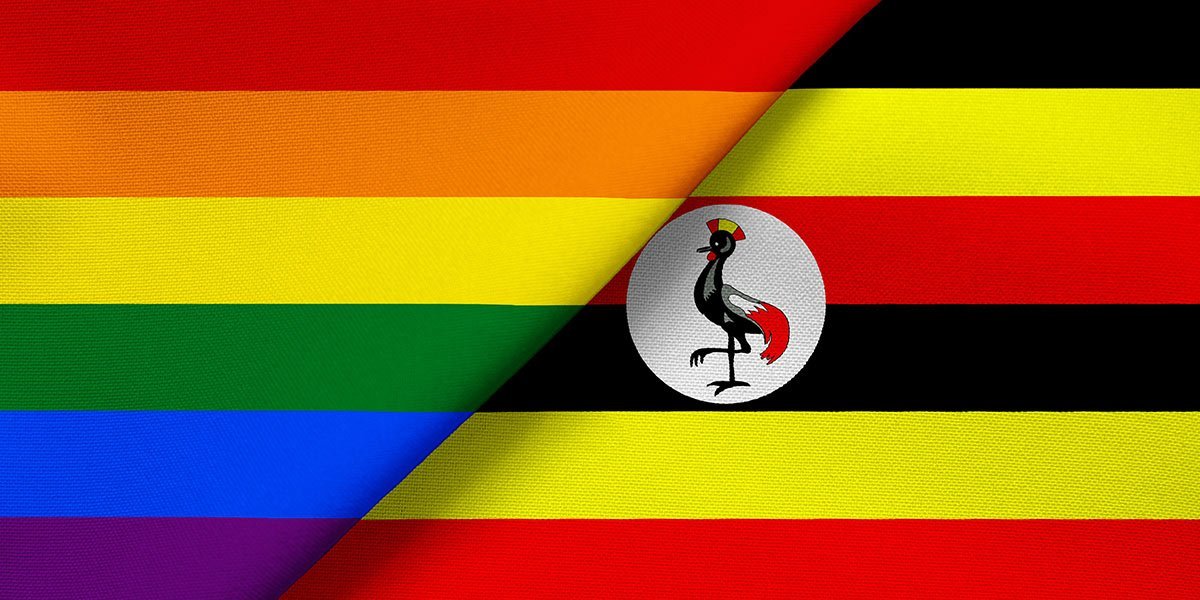
The World Bank, an influential player in global development, has chosen to wield its economic influence to combat discrimination and promote inclusivity. In a landmark decision, the institution has suspended new loans to Uganda, citing its concerns over the country’s controversial anti-LGBTQ law. This move underscores the World Bank’s commitment to upholding its values and principles, even when faced with complex geopolitical situations.
The anti-LGBTQ law, signed into effect by Ugandan President Yoweri Museveni, has faced widespread criticism for its harsh penalties, including the possibility of capital punishment for what it terms “aggravated homosexuality.” This legislation sparked international outrage and led the United States to impose travel restrictions on Ugandan officials.
At the heart of the World Bank’s decision lies a resolute belief in inclusion and non-discrimination. In an official statement, the institution proclaimed, “Uganda’s Anti-Homosexuality Act fundamentally contradicts the World Bank Group’s values. We firmly believe that our mission to eradicate poverty while fostering a livable planet can only succeed by embracing diversity across race, gender, and sexuality. This law runs counter to these efforts.”
World Bank President Ajay Banga, a recent appointee, faced mounting pressure from over 170 civic organizations to take tangible action, including the suspension of future funding. The decision to pause project financing serves as a potent message that the World Bank is unwavering in its commitment to promoting human rights and inclusivity.
In a bid to strengthen its stance, the World Bank also outlined plans to enhance third-party monitoring and grievance redress mechanisms. These measures are aimed at swiftly addressing any issues that may arise and ensuring accountability in its projects.
The suspension of funding is undoubtedly a pivotal moment in the international discourse on human rights and economic influence. By taking this stand, the World Bank joins a chorus of voices that emphasize the importance of equal rights and opportunities for all individuals, regardless of their sexual orientation or gender identity.
While the temporary funding halt makes a clear statement, the World Bank emphasized its enduring commitment to Uganda’s development. The institution underscored, “We maintain a longstanding and productive relationship with Uganda, and we remain dedicated to assisting all Ugandans without exception. Our goal is to help them break free from poverty, access essential services, and enhance their quality of life.”
As global attention turns to this bold move by the World Bank, the implications for future economic engagements and their alignment with human rights values are bound to be subjects of intense discussion. In a world that is increasingly interconnected, this decision serves as a poignant reminder that financial institutions have the power to shape not only economies but also societies.
By: Montel Kamau
Serrari Financial Analyst
9th August, 2023
photo source Google