In the wake of last week’s coup in Niger, the West African nation has been dealt a major blow to its financial stability as countries around the world condemn the military uprising. The Central Bank of West African States (BCEAO) has cancelled a planned 30 billion CFA franc ($51 million) bond issuance by Niger in the regional debt market. This decision comes in response to sanctions imposed by the 15-nation Economic Community of West African States (ECOWAS) bloc, which demanded the reinstatement of ousted President Mohamed Bazoum within a week.
Niger, one of the world’s poorest countries, heavily relies on external aid and financing. The cancelled bond issuance was expected to be the first of three, with two other bonds scheduled for issuance on August 7 and August 17. However, with the current political situation, the country’s access to international funding has been severely restricted.
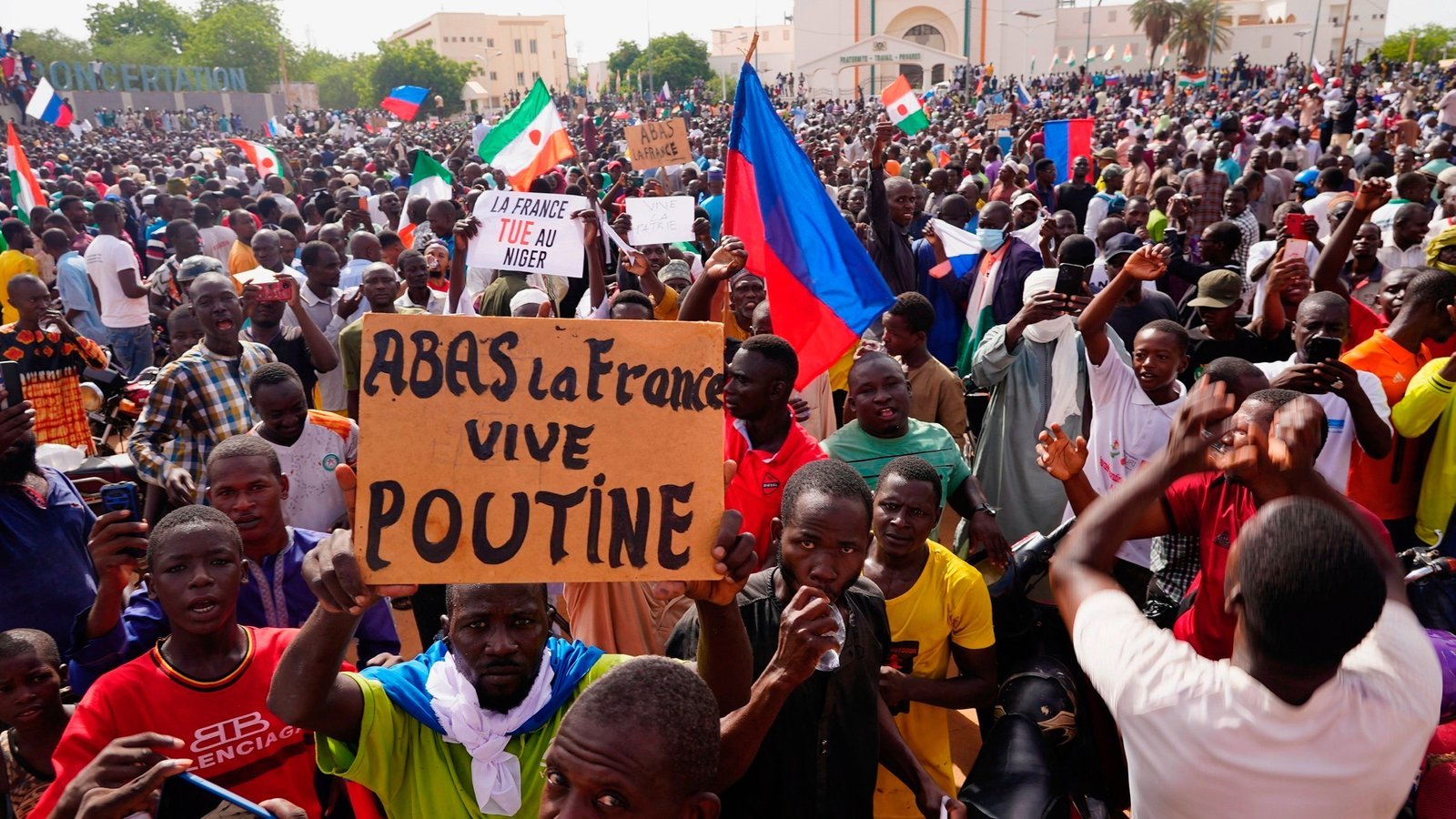
France, Niger’s former colonial ruler, has unequivocally condemned the coup, while the European Union and the United States have taken strong measures in response to the political upheaval. The European Union has cut off financial support to Niger, and the United States has issued a warning that its aid could be at stake. The US is particularly concerned as Niger has been a key security partner in their efforts to combat Islamist insurgency in the Sahel region of West and Central Africa. The country has received close to $2 billion per year in official development assistance from the US.
Niger’s foreign allies have refused to recognize the new military government led by General Abdourahamane Tiani, who was declared head of state by the coup plotters. President Bazoum’s whereabouts remain unknown since he was confined within the presidential palace during the coup. However, the European Union, France, and others still recognize him as the legitimate president.
The situation in Niger has created uncertainty, both politically and economically. The European Union has suspended all cooperation actions in the domain of security with immediate effect, while the United States has indicated that their significant assistance to the country is in jeopardy pending the restoration of democratic governance.
Niger’s pivotal role in curbing the flow of irregular migrants from sub-Saharan Africa has been recognized by the European Union, which allocated substantial funds for governance, education, and sustainable growth in the country. Moreover, the United Nations continues to provide humanitarian aid to Niger, unaffected by the recent coup.
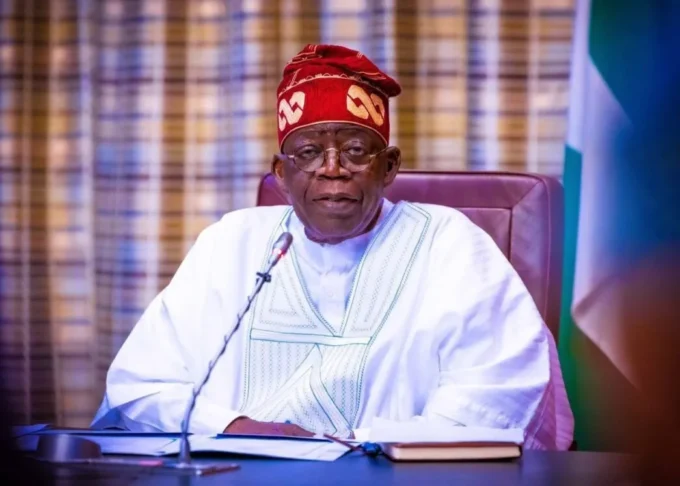
As the world watches the unfolding situation in Niger, regional and international organizations are holding emergency summits to address the crisis. The Economic Community of West African States (ECOWAS) convened an emergency summit in Nigeria to discuss the situation, and the African Union’s Peace and Security Council has demanded that the military return to their barracks and restore constitutional order within 15 days.
With Niger’s access to international funding cut off, the nation’s economic stability hangs in the balance. As the political landscape remains uncertain, the impact of the coup on the country’s population and its relationships with foreign partners remains to be seen.
By: Montel Kamau Serrari Financial Analyst 31th July 2023
photo source Google