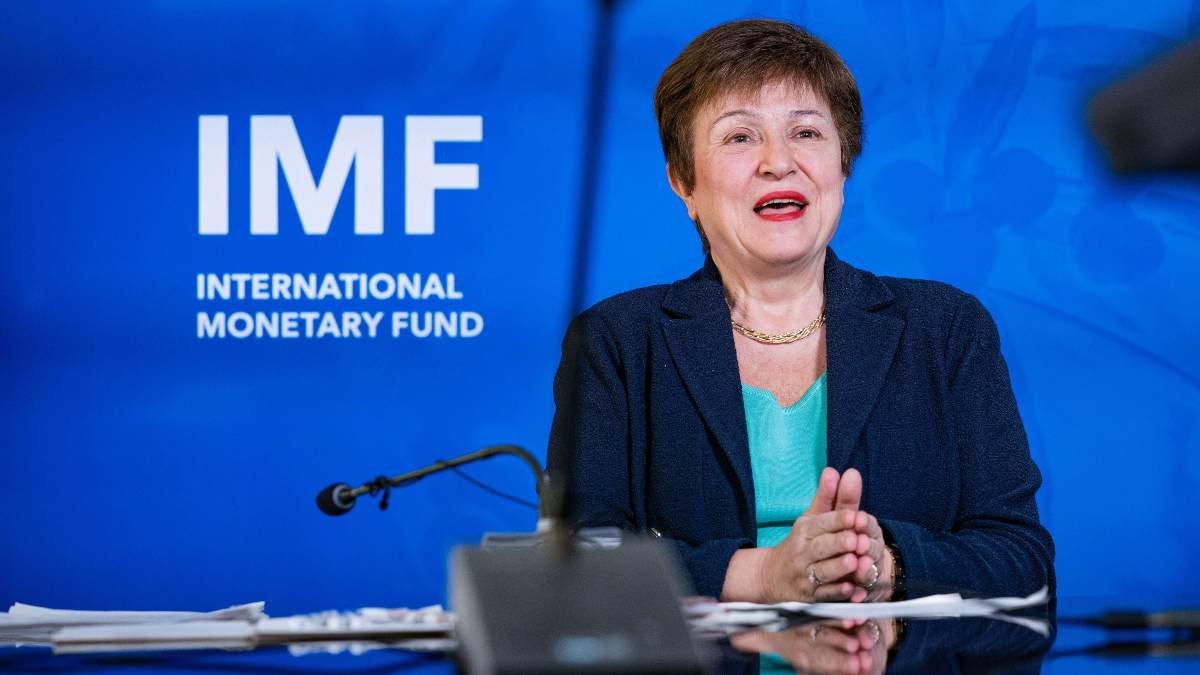
The International Monetary Fund’s (IMF) Executive Board convened to discuss the first review of Malawi’s 12-month Staff-Monitored Program (PMB) with Executive Board involvement. The program, greenlit by the IMF Management on July 13, 2023, has been under close scrutiny due to the country’s resilience in the face of multiple challenges.
Malawi has confronted a series of formidable shocks, including a severe cholera outbreak and the devastating impact of Cyclone Freddy, leading to significant loss of life and substantial infrastructure damage. These events have had a dampening effect on economic growth, resulting in higher-than-expected inflation. Fiscal performance during FY2022/23 also surpassed projected deficits at the time of PMB approval. On the external front, foreign exchange shortages, trade credit difficulties, and widening exchange rate spreads have added to the nation’s economic strain. However, despite these hurdles, Malawi’s commitment to the PMB objectives has remained unwavering.
The IMF Executive Board acknowledged Malawi’s determination to stay on course and commended the government’s efforts to address challenges and implement necessary corrective actions. These actions are crucial to demonstrate Malawi’s capacity to adhere to the agreed macroeconomic adjustments and policy reforms, paving the way for potential support through an Extended Credit Facility (ECF) arrangement.
Cyclone Freddy’s impact has led to a downward revision in Malawi’s growth forecast for 2023, accompanied by an upward adjustment in inflation projections. Nonetheless, the Board recognized Malawi’s resilience and emphasized the importance of staying vigilant to avoid any slippages in program implementation. They also urged the authorities to expedite the external debt restructuring process to ease fiscal pressures and mitigate risks associated with further external shocks.
During the discussion, Mr. Bo Li, Deputy Managing Director and Acting Chair, stressed the critical nature of maintaining steadfast implementation and unwavering commitment to the Staff-Monitored Program. He highlighted that adhering to the program’s objectives is essential to restore macroeconomic stability and build a solid track record, which would be pivotal in any future requests for financial support, including an ECF arrangement.
One of the key areas of focus highlighted by Mr. Li was successful debt restructuring. The authorities’ efforts to substantially reduce external debt service through comprehensive treatment of commercial and official bilateral debt are seen as essential steps in achieving overall economic stability. He emphasized the significance of cooperation among the authorities, creditors, and international development partners to ensure the successful implementation of the external debt restructuring strategy.
The IMF Executive Board also stressed the importance of fiscal discipline, supported by a robust Public Financial Management (PFM) system. Timely production of comprehensive fiscal reports and proactive preparations for fiscal financing challenges were identified as vital components to maintain price stability and safeguard the well-being of vulnerable populations, particularly those facing poverty and food insecurity. Building up reserves to reduce Malawi’s vulnerability to external shocks was also highlighted as a priority.
Governance and institutional weaknesses were acknowledged as areas requiring continued attention. Recent concerns surrounding the fertilizer deal underscored the need to strengthen governance and procurement practices to prevent similar incidents in the future.
As Malawi continues to face multiple challenges, the IMF’s Management-approved Staff-Monitored Program (SMP) remains robust and on track to fulfill its objectives. The IMF Executive Board expressed confidence in the country’s commitment and resilience, calling for continued dedication from all stakeholders to achieve macroeconomic stability and sustainable economic growth.
By: Montel Kamau Serrari Financial Analyst 29th July, 2023
photo source Google