In a historic visit to Angola, President Joe Biden announced over $1 billion in humanitarian aid to alleviate the suffering caused by severe droughts and food insecurity across Africa. Complementing this is a $600 million investment in infrastructure under the Lobito Trans-Africa Corridor initiative. These measures underline the United States’ commitment to fostering sustainable partnerships with Africa, focusing on trade, investment, and long-term development.
“The United States continues to be the world’s largest provider of humanitarian aid and development assistance,” Biden emphasized. “That’s going to increase—it’s the right thing for the wealthiest nation in the world to do.”
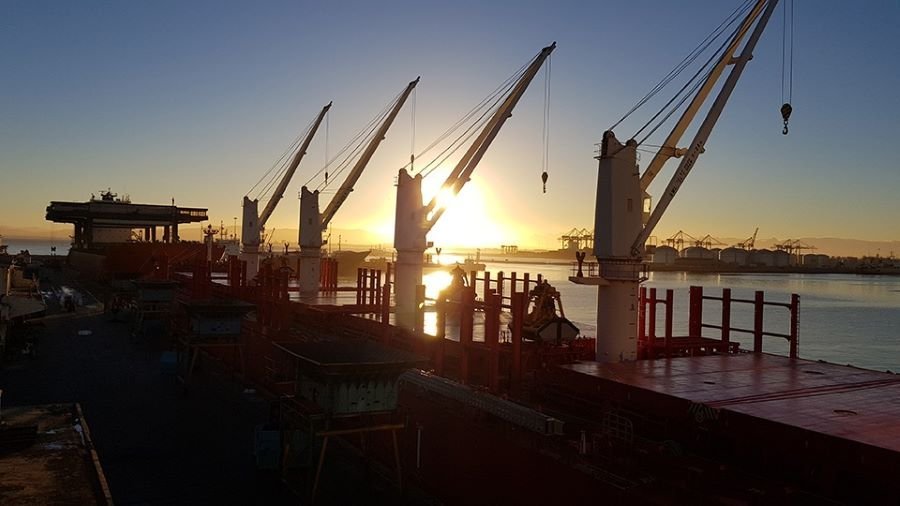
The Lobito Trans-Africa Corridor Summit, co-hosted by Angola and the United States, brought together regional leaders from the Democratic Republic of the Congo (DRC), Tanzania, and Zambia. The summit aimed to expedite infrastructure projects designed to connect the Atlantic and Indian Oceans. At the heart of this initiative is the ambitious Zambia-Lobito rail project, an 800-kilometer railway set to begin construction in 2026, which promises to revolutionize regional logistics and commerce.
Driving Regional Economic Growth
The Lobito Trans-Africa Corridor is a cornerstone of the U.S.-led Partnership for Global Infrastructure and Investment (PGI), a program designed to catalyze inclusive economic growth through strategic infrastructure development. To date, U.S. investments in the corridor have surpassed $4 billion, bolstered by over $6 billion in international commitments.
President Biden highlighted the corridor’s significance by celebrating the inaugural shipment of goods from Angola’s Carrinho Group to the DRC, a tangible milestone in advancing regional trade. He noted that the U.S. is not just providing aid but fostering sustainable economic systems.
“These investments aren’t just about aid; they’re about creating opportunities, building infrastructure, and unlocking the potential of this region,” Biden said during his address.
In addition to improving transportation links, the initiative aims to enhance food security through sustainable farming practices. With U.S. support, smallholder farmers will gain access to markets and resources to increase agricultural productivity.
A Step Towards Energy Independence and Digital Innovation
Energy independence and digital transformation were also prominent themes during Biden’s visit. Sun Africa, a U.S.-based renewable energy company, is spearheading a clean energy initiative in Angola. This project, supported by substantial U.S. financing, aims to provide renewable electricity to underserved communities, aligning with global climate goals.
Digital connectivity, another priority, is set to benefit from U.S. investments aimed at expanding high-speed internet access across the region. This technological advancement is expected to drive innovation, facilitate e-commerce, and connect African businesses to global markets.
Biden reiterated the importance of these initiatives, saying, “The United States is expanding our relationship all across Africa—from assistance to aid, investment to trade, moving from patrons to partners to help bridge the infrastructure gap.”
Strengthening U.S.-Africa Relations
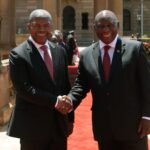
The visit marked a pivotal moment in U.S.-Angola relations. Angolan President João Lourenço praised Biden’s leadership, calling the visit a “key turning point” in bilateral relations. For his part, Biden underscored America’s unwavering commitment to Africa.
“The United States is all in on Africa,” Biden declared, emphasizing that the partnership goes beyond temporary aid. The strategy aims to create sustainable economic ecosystems that empower African nations to thrive independently.
This sentiment aligns with broader U.S. foreign policy goals. The Biden administration has consistently highlighted Africa’s strategic importance in global affairs, viewing the continent as a hub for innovation, trade, and investment.
A Global Perspective on Infrastructure Investment
The Lobito Trans-Africa Corridor initiative is part of a broader global trend in infrastructure investment. Similar to China’s Belt and Road Initiative (BRI), the PGI emphasizes collaboration with local governments and sustainable development practices. However, analysts note that the PGI’s focus on inclusivity and environmental sustainability differentiates it from other global infrastructure programs.
This approach is seen as an effort to counterbalance China’s growing influence in Africa. According to the Brookings Institution, China’s investments in African infrastructure have topped $200 billion in recent decades. However, critics have raised concerns about debt sustainability and labor practices associated with Chinese projects.
In contrast, the U.S. initiative aims to foster equitable partnerships that prioritize local community benefits. The emphasis on renewable energy and digital infrastructure also positions the PGI as a forward-looking program designed to address 21st-century challenges.
A Broader Push for Humanitarian Aid
Beyond infrastructure, the $1 billion in humanitarian aid addresses immediate crises, including severe droughts and widespread food insecurity. The Horn of Africa, in particular, has faced consecutive seasons of failed rains, leading to devastating consequences for millions.
The aid package includes provisions for emergency food supplies, healthcare, and support for displaced populations. It also integrates long-term resilience measures, such as water resource management and agricultural training programs, to mitigate future crises.
Future Outlook
As the U.S. deepens its ties with Africa, the long-term impact of these initiatives remains to be seen. However, the combination of humanitarian aid, infrastructure development, and renewable energy investments paints a promising picture of collaboration.
Analysts believe that such efforts could redefine Africa’s role in the global economy. By unlocking the continent’s vast potential, initiatives like the Lobito Trans-Africa Corridor could pave the way for sustained economic growth and geopolitical stability.
For now, Biden’s visit serves as a powerful reminder of the importance of partnership and shared responsibility in addressing global challenges.
“Together, we can create a future of shared prosperity,” Biden concluded, leaving a message of hope and cooperation.
Ready to take your career to the next level? Join our dynamic courses: ACCA, HESI A2, ATI TEAS 7 , HESI EXIT and NCLEX – RN !🌟 Dive into a world of opportunities and empower yourself for success. Explore more at Serrari Ed and start your exciting journey today! ✨
photo source: Google
By; Montel Kamau
Serrari Financial Analyst
13th December, 2024